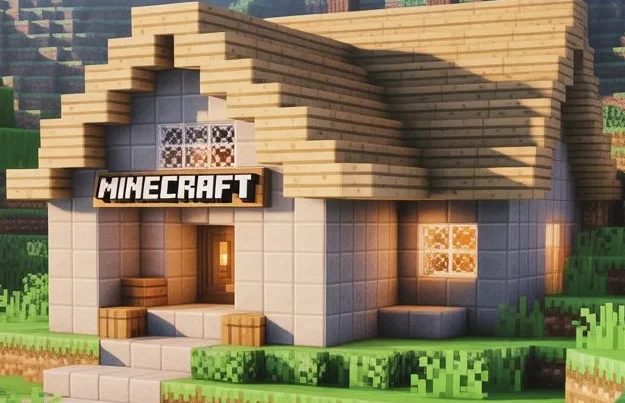
Minecraft Adventure Map Complete Guide
A Minecraft adventure map is a custom world with goals, rules, and guided gameplay. Players follow objectives instead of free building. Adventure maps work on Minecraft Java Edition and Bedrock Edition. Creators design them for specific versions to ensure smooth gameplay. These maps focus on story, challenges, and progression. Players solve puzzles, explore worlds, fight enemies, and complete quests. The map controls what players can break or place. This control creates a focused experience. Adventure maps stay popular because they feel fresh. Each map offers a new story or mechanic. Players enjoy clear goals and meaningful rewards. Creators keep innovating with commands and custom systems.
They also work for many play styles. Some maps suit solo players. Others support co-op and multiplayer teams. Friends can solve puzzles together or share combat roles. Adventure maps remain evergreen across updates. Minecraft updates add tools, not limits. Creators adapt maps to new mechanics over time. This keeps old ideas alive and relevant. This guide explains how adventure maps work.It covers features, types, and design basics. Everything stays factual and player-focused. Trust and clarity come first.
What Is a Minecraft Adventure Map?
A Minecraft adventure map is a custom world with fixed rules and clear objectives. Players follow a designed path instead of free building. The creator controls gameplay limits. Players complete custom objectives, follow a story, and progress through stages. The map guides actions using commands, redstone, and game rules. Adventure maps focus on progression. Players unlock areas step by step. Each action supports the main goal. Creators often add lore and quests. These elements give meaning to exploration and combat. This design turns Minecraft into a guided experience. Official Minecraft documentation defines Adventure Mode as rule-based play. Blocks cannot break without permission. This rule supports structured gameplay and fairness.
Adventure maps change how players interact with the world. Rules define what players can do.
| Game Mode | Core Focus | Player Freedom | Rules |
| Survival | Resource gathering | High | Minimal |
| Creative | Building and testing | Unlimited | None |
| Adventure | Objectives and story | Limited | Strict |
Survival rewards improvisation. Creative rewards imagination. Adventure rewards completion and skill. The map decides the challenge. Rule-based gameplay creates balance and immersion. This structure makes adventure maps unique. It also makes them ideal for storytelling and puzzles.
Core Features of a Minecraft Adventure Map
Storylines, Lore, and Quests
Story drives most Minecraft adventure maps. A clear narrative gives players purpose and direction. Creators deliver stories through written books, NPC dialogue, and in-game messages. Signs and titles guide players between events. Some maps use sound cues and scripted scenes. Lore explains the world and its rules. It adds meaning to locations and characters. Players feel connected to the journey. Quests form the backbone of progression. Each quest sets a clear task. Tasks unlock new areas or story beats.Some maps use linear storytelling. Players follow one fixed path. This method suits cinematic stories and strong pacing.
Other maps use branching stories. Player choices affect outcomes. Different decisions unlock alternate quests or endings. Branching design increases replay value. Players return to explore missed paths. Strong adventure maps balance story and gameplay. The narrative never overwhelms action. Every quest supports the main goal. This approach matches Mojang’s Adventure Mode intent. Structure enhances immersion without removing freedom.
Objectives, Progression, and Checkpoints
Minecraft Adventure Map rely on goal-driven design. Every task serves a purpose. Objectives tell players what to do next. Clear goals prevent confusion. Players always know their next step. Progression controls pacing. Maps unlock areas in stages. Keys, items, or events open new paths. This structure creates momentum. Players feel constant progress. Small wins lead to larger achievements. Checkpoints protect player time. They reduce frustration after failure. Most maps save progress automatically. Some maps use command-based save systems. Others rely on in-world checkpoints. Beds, pressure plates, or triggers mark progress.
Player guidance matters. Subtle hints replace constant instructions. Visual cues guide movement and decisions. Good maps avoid hand-holding. They respect player intelligence.Challenges feel fair and earned. This design builds trust. Players focus on gameplay, not confusion. Consistency keeps the experience smooth and enjoyable.
Puzzles, Parkour, and Exploration
Minecraft Adventure Map test player skill and thinking. Puzzles form a major challenge type. Logical puzzles reward observation and reasoning. Players connect clues across rooms. Each solution feels satisfying. Redstone puzzles test timing and logic. Environmental puzzles test awareness. Both encourage experimentation. Parkour challenges test movement skills. Jumps demand precision and control. Difficulty increases gradually. Fair parkour uses clear visual paths. Players see where to go. Failure teaches without punishment.
Exploration adds depth. Maps include hidden areas and secrets. Players discover bonus loot or lore. Secrets reward curiosity. They encourage slow and careful play. Exploration feels meaningful. Designers hide content intentionally. Nothing appears by accident. Every room has purpose. This balance keeps players engaged. Skill, thinking, and curiosity work together. Adventure maps shine through this variety.
Combat, Boss Battles, and Custom Enemies
Combat adds tension to Minecraft Adventure Map. Encounters feel planned and controlled. Creators script battles using commands. Enemies spawn at set moments. Events trigger based on player actions. Boss battles mark major milestones. They test preparation and strategy. Bosses often use custom abilities. Custom enemies add variety. They use modified gear or behaviors. Fights feel unique and memorable. Difficulty balancing matters. Enemies match player progress. Damage scales with available gear. Fair combat avoids cheap tricks. Players get warning signs. Clear patterns replace random damage.
Minecraft Adventure Map often limit resources. This increases challenge without frustration. Skill matters more than grinding. Good combat rewards learning. Players adapt to patterns. Victory feels earned. This approach aligns with community standards. Well-designed combat builds trust. Players respect maps that play fair.
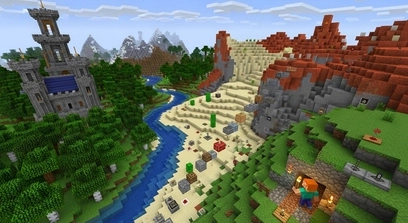
Types of Minecraft Adventure Maps
Story-Driven Adventure Maps
Story-driven Minecraft Adventure Map focus on narrative first. Players follow a clear plot from start to finish. Creators use dialogue, books, and scripted events. These maps suit players who enjoy lore and immersion. Progress follows a fixed path. Pacing feels cinematic and controlled.
RPG and Quest-Based Maps
RPG maps center on quests and progression. Players complete missions to gain items or abilities. Some maps track choices and outcomes. This style encourages long play sessions. Character growth feels rewarding and clear.
Puzzle and Escape Maps
Puzzle maps challenge logic and observation. Players solve riddles to unlock rooms or exits. Escape maps trap players in closed spaces. Every clue matters. Clear rules keep puzzles fair and engaging.
Parkour Adventure Maps
Parkour maps test movement skill. Players jump, climb, and time actions carefully. Good maps teach mechanics gradually. Clear visual cues guide each jump. Failure feels instructive, not punishing.
Horror and Mystery Adventure Maps
Horror maps focus on atmosphere and tension. Lighting and sound drive fear. Mystery maps add clues and hidden truths. Players uncover stories through exploration.Restraint makes these maps effective.
Open-World Exploration Maps
Open-world maps offer freedom with structure. Players choose where to go first. Objectives exist, but paths stay flexible. Exploration rewards curiosity and patience. These maps blend adventure with discovery.
Singleplayer vs Multiplayer Adventure Maps
Singleplayer Minecraft Adventure Maps
Singleplayer Minecraft Adventure Map focus on immersion. The world reacts to one player’s actions. This design strengthens emotional connection. Stories feel deeper in singleplayer play. Creators control pacing and tension. Dialogue speaks directly to the player. Singleplayer maps guide attention carefully. Every clue targets one perspective. Nothing depends on teamwork or timing sync. These maps suit narrative-heavy experiences. They work well for mystery and story-driven plots. Players explore at their own speed.
Mistakes feel personal. Success feels earned. This focus increases engagement and memory retention. Many creators choose singleplayer for control. Testing becomes easier. Balance stays consistent. This format matches classic adventure design. It aligns with Minecraft Adventure Mode rules. Structure supports immersion and clarity.
Multiplayer and Co-op Adventure Maps
Multiplayer Minecraft Adventure Map focus on cooperation. Players solve challenges together. Teamwork drives progress. Co-op mechanics shape gameplay. Some puzzles need multiple players. Others require synchronized actions. Role-based gameplay adds depth. One player fights Another solves puzzles. A third manages resources.These roles encourage communication. Players share responsibility. Every player matters.
Maps designed for friends avoid bottlenecks. They prevent one player from blocking progress. Good design supports drop-in play. Creators balance difficulty for groups. Challenges scale with player count. Fair design prevents chaos. Multiplayer maps create shared memories. Players laugh, fail, and succeed together. This social bond drives replayability. Both formats serve different players. Good maps respect their chosen audience.
Java Edition vs Bedrock Edition Adventure Maps
Minecraft Java Edition Adventure Maps
Java Edition offers strong flexibility for Minecraft Adventure Map. Creators control gameplay with advanced commands. Command blocks support complex triggers and logic. Datapacks expand map features. They add custom mechanics without mods. Creators design new items, rules, and behaviors. Java supports detailed scripting. Maps track player actions precisely. Events react in real time. The creator ecosystem thrives on Java.Most community maps target this edition. Tools like WorldEdit improve build speed.
Java maps often support older versions. Creators document version requirements clearly. This clarity reduces player errors. Testing stays consistent on Java. Hardware differences matter less. Creators maintain balance more easily. This freedom attracts experienced designers. Innovation happens faster here. Many benchmark maps come from Java creators.
Minecraft Bedrock Edition Adventure Maps
Bedrock Edition focuses on accessibility. It runs on consoles, mobile, and Windows. This reach attracts a broad audience. The Marketplace offers curated adventure maps. Mojang reviews paid content. Quality and safety stay consistent. Community maps also exist outside the Marketplace. Players install them manually. Compatibility varies by device. Bedrock commands support adventure gameplay. They offer fewer options than Java. Creators adapt designs to these limits.
Platform compatibility matters. Maps must run on touch and controller inputs. UI design stays simple. Limitations affect complexity. Datapacks do not work the same way. Custom mechanics require workarounds. Despite limits, Bedrock maps still shine. Creators focus on polish and clarity. Good design matters more than tools. Both editions support great adventure maps. The choice depends on platform and preference.
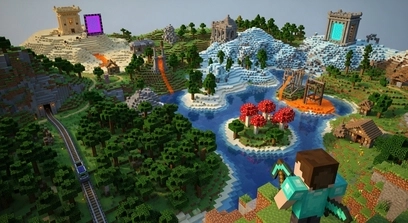
How Minecraft Adventure Maps Are Made
Planning the Story and Gameplay
Every Minecraft Adventure Map starts with a plan. Creators define the core idea first. They choose a theme, setting, and goal. Story and gameplay must support each other. A good map never separates them. Every quest moves the story forward. Creators outline the main storyline early. They define the start, middle, and ending. This structure prevents confusion later. Objectives come next. Each objective has a clear purpose. Players should always know what to do. Designers also plan difficulty progression. Early tasks teach mechanics. Later tasks test mastery.
Mojang’s Minecraft Adventure Map design encourages structure. Limited block interaction supports guided play. Creators plan around these rules. Creators also define the target audience. Some maps suit beginners. Others challenge experienced players. This planning phase saves time. It reduces redesign later.Strong planning leads to smooth gameplay. Maps without planning feel random. Players lose interest quickly. Structure keeps engagement high.Good planning builds trust. Players feel intentional design. That feeling defines quality adventure maps.
Building the World and Environments
World building turns ideas into space. Creators design terrain to support gameplay. Custom terrain sets the mood. Mountains create barriers. Valleys guide movement. Biomes add variety. Each biome supports the story. Cold areas feel dangerous. Warm areas feel safe. Structures shape progression. Castles signal major goals. Ruins suggest past events. Designers control scale carefully. Large spaces feel epic. Small spaces feel tense. Lighting plays a key role. Light guides players naturally. Darkness creates mystery or fear.
Environmental storytelling matters. Broken walls show past battles.Abandoned homes suggest loss. Creators avoid empty spaces. Every area serves a purpose. Unused space breaks immersion. Minecraft’s block system rewards detail. Small design choices matter. Consistency builds believability. Well-built environments guide players silently. They reduce the need for text. This approach improves flow and immersion.
Using Command Blocks and Redstone
Command blocks power adventure maps. They control events and logic. Creators use commands to track progress. The game remembers player actions.This tracking enables complex systems. Command blocks trigger dialogue. They start battles. They unlock doors. Redstone supports physical interactions. Buttons activate machines. Levers change environments. Together, they create scripted gameplay. Events happen at the right time. Nothing feels random. Mojang documents command behavior clearly. Creators follow official syntax. This ensures stability.
Designers keep systems simple when possible. Complex logic increases bugs. Efficiency improves performance. Custom items rely on commands. They unlock abilities or access. Players feel rewarded. Creators also manage fail states. Commands reset puzzles. Players recover without frustration. Good command design stays invisible. Players notice results, not systems. Immersion stays intact. Poor command use breaks maps. Lag kills enjoyment. Testing prevents this. Command mastery separates good maps from great ones.
Testing, Balancing, and Bug Fixing
Testing defines map quality. Creators test early and often. They play maps like new players. They look for confusion. They watch pacing issues. Balance matters. Enemies should challenge, not punish. Puzzles should teach, not trap. Creators adjust difficulty gradually. Early sections feel forgiving. Later sections demand skill. Bug fixing protects trust. Broken triggers ruin immersion. Soft locks frustrate players. Creators test checkpoints carefully. Deaths should not erase progress. Fair recovery keeps players engaged. Multiplayer maps need extra testing. Commands must handle multiple players. Sync issues require attention.
Feedback improves maps. Creators listen to testers. They fix unclear mechanics.Mojang updates can break maps. Creators test against versions. Compatibility notes prevent confusion. Polish separates amateur maps from professional ones. Small fixes add up. Players notice care. Well-tested maps earn respect. They gain positive reviews. That reputation builds authority.
How to Install a Minecraft Adventure Map Safely
Installing Adventure Maps on Java Edition
Java Edition uses world save folders for Minecraft Adventure Map. Installation stays simple and transparent. First, download the map as a world save. Trusted creators share maps in ZIP format. Do not run installers or executables. Extract the ZIP file. You should see a world folder inside. That folder contains region and data files.Open your Minecraft directory. Place the world folder inside the saves folder.Start Minecraft Java Edition. Select the correct game version. Maps often target a specific release. Version mismatch can break commands. Load the world from Singleplayer. The map should appear by name. If it fails, recheck the folder structure.
Always use known community sources. Planet Minecraft and Minecraft Maps follow community standards. Creators usually list version requirements clearly. Avoid modified or cracked files. They violate Mojang’s terms. They also risk malware. Java installation stays manual by design. This transparency builds trust. Players keep full control of files. Following official file structure prevents issues. Safe installation protects your system and save data.
Installing Adventure Maps on Bedrock Edition
Bedrock Edition handles maps differently. Installation depends on platform. Some maps come from the Minecraft Marketplace. Mojang reviews Marketplace content. This option offers the highest safety. Community maps often use .mcworld files. These files open directly in Minecraft. Double-clicking imports the world. On mobile, use a file manager. Open the file with Minecraft. The game handles placement automatically. On Windows, Minecraft installs the map instantly. No manual folder movement needed. The world appears in your list.
Console players rely on the Marketplace. Manual installation stays limited. Platform rules control file access. Check compatibility before installing. Maps may target newer versions. Older devices may struggle. Avoid unofficial app stores or mod bundles. They often include altered files. These files break trust and safety. Respect Mojang’s usage terms.Use legitimate copies of the game. Support creators when possible. Safe Bedrock installation focuses on simplicity. Let the game manage imports. Avoid shortcuts and risky sources.
Common Installation Problems and Fixes
Installation issues happen often. Most fixes stay simple. Maps may not appear in the world list. This usually means incorrect folder placement. Check the directory again. Version mismatch causes broken mechanics. Commands may fail silently. Switch to the required version. Missing resource packs break visuals. Some maps require custom textures. Enable the pack before playing. Bedrock maps may fail to import. The file may corrupt during download. Re-download from the original source. Performance issues affect gameplay. Large maps need more memory. Lower render distance if needed.
Never force files into protected folders. This can corrupt data. Follow official directory paths. Avoid unofficial or modified files. They often cause crashes. They also violate Mojang’s terms. Trusted community sources reduce problems. Creators test maps before release. Reviews reveal common issues. Safe installation builds confidence. Players enjoy maps without risk. Trust always comes first.
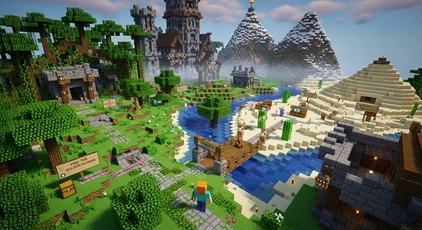
What Makes a High-Quality Minecraft Adventure Map?
Map Length and Completion Time
Map length should match its goal. Short maps deliver focused challenges. Long maps support deeper stories. Creators state expected completion time clearly. This sets player expectations. It builds trust. Good pacing matters more than size. Each section adds value. No area feels like filler. Players should feel steady progress. Clear milestones help motivation. Time investment feels fair.
Difficulty Balance and Fair Design
Balanced difficulty defines quality. Challenges scale with player progress. Early sections teach mechanics. Later sections test mastery. They never surprise unfairly. Players see threats before facing them. Good maps avoid cheap damage. They telegraph traps clearly. Failure teaches, not punishes. Creators respect different skill levels. Optional challenges add depth. Core paths stay accessible. Fair design keeps players engaged. Frustration drives players away. Balance keeps them playing.
Polish, Updates, and Support
Polish separates good maps from great ones. Details matter everywhere. Text stays clear and error-free. Triggers work consistently. Lighting feels intentional. Creators fix bugs after release. They respond to feedback. Updates improve stability. Compatibility notes stay accurate. Players know which version to use. Confusion drops. Ongoing support builds authority. Players trust active creators. Quality feels intentional.
Replayability and Secrets
Replayability extends map value. Choices create different outcomes. Hidden areas reward curiosity. Secrets add lore or rewards. Exploration feels meaningful. Alternate paths change experiences. Players return to discover more. Each run feels fresh. High-quality maps respect player time. They reward attention and skill. That respect defines excellence.
Are Minecraft Adventure Maps Free and Safe?
Free vs Paid Adventure Maps
Many Minecraft adventure maps are free. Community creators share them for learning and fun. These maps often appear on trusted community platforms. Free maps vary in scope. Some offer short experiences. Others deliver full campaigns. Paid adventure maps usually appear on the Minecraft Marketplace. Mojang reviews Marketplace content. Quality and safety stay consistent. Paid maps often include polish. They feature custom art and sound. Support and updates come standard. Free does not mean low quality. Many top creators release free maps. Reputation matters more than price. Players should choose based on preference. Story depth, length, and support guide decisions. Transparency builds trust.
Safety, Legitimacy, and File Integrity
Safety matters when downloading Minecraft Adventure Map. Players must stay cautious. Never use cracked content. Cracked files break Mojang’s terms. They also risk malware. Avoid misleading downloads. Legitimate maps do not require installers. They never ask for personal data. Check file formats before opening. Java maps use world folders or ZIP files. Bedrock maps use .mcworld files. Respect intellectual property rules. Creators own their work. Players should follow usage terms.
Trusted community sources protect users. Reputable sites enforce guidelines. Reviews expose bad actors. Map integrity builds confidence. Clean files load correctly. Commands run as intended. Safe practices protect your system. They also support the community. Trust keeps Minecraft creative and fair.
FAQs About Minecraft Adventure Maps
What is a Minecraft adventure map?
A Minecraft adventure map is a custom world with rules and objectives. Players follow a designed path instead of free building. Creators control progression using commands and game rules. The focus stays on story, challenges, and completion.
Are Minecraft adventure maps free?
Many Minecraft adventure maps are free. Community creators share maps on trusted platforms. Some maps cost money on the Minecraft Marketplace. Price usually reflects polish, support, and custom assets.
Can you play adventure maps in multiplayer?
Yes, many adventure maps support multiplayer. Creators design co-op mechanics and shared objectives. Some maps require teamwork to progress. Others scale difficulty for groups.
Do adventure maps work on Bedrock Edition?
Yes, adventure maps work on Bedrock Edition. Compatibility depends on the map design. Marketplace maps guarantee support. Community maps may vary by device.
How long does a Minecraft adventure map take to complete?
Completion time varies by design. Short maps take one to two hours. Large campaigns can take ten hours or more. Creators often list estimated playtime.
Are Minecraft adventure maps safe to download?
Minecraft Adventure Map are safe from trusted sources. Avoid cracked or modified files. Respect Mojang’s terms and creator rules. Legitimate maps use standard Minecraft file formats.
Conclusion
Minecraft adventure maps showcase creativity and storytelling. They turn simple blocks into guided experiences. Each map reflects a creator’s vision. These maps reward skill-based gameplay.Players think, move, and adapt. Success depends on learning, not grinding. Community innovation keeps adventure maps alive. Creators experiment with mechanics and design. New ideas appear with every update. Adventure maps work across Minecraft versions. Updates add tools, not barriers. Creators adapt designs over time. They fit solo and co-op play. Singleplayer maps offer deep immersion. Multiplayer maps create shared experiences.
Trust matters in this space. Quality maps use player-first design. They respect player time and skill. Legitimate creators avoid fake downloads. They share clean and safe files. Transparency builds confidence. Adventure maps respect Mojang mechanics. They follow game rules and terms. This respect protects the ecosystem. The community drives this content forward. Players support creators through feedback. Creators respond with better maps.Minecraft adventure maps matter because they evolve. They blend art, logic, and play. This balance defines their lasting value.