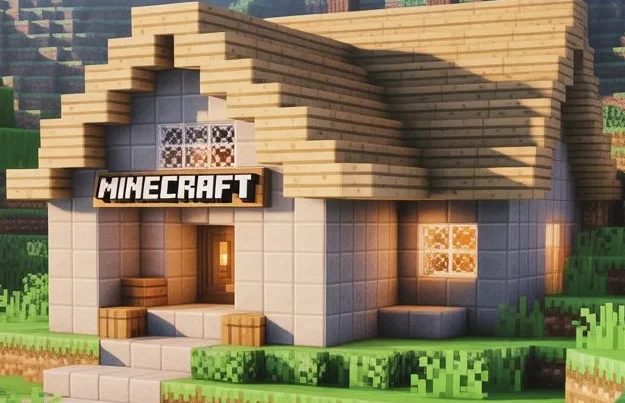
Introduction to Minecraft Education
Minecraft Education is a learning platform built on the Minecraft game world. It helps students learn through exploration, building, and problem solving. Schools use it to turn lessons into interactive experiences. Minecraft Education serves teachers, students, and schools. Teachers use it to explain complex ideas in simple ways. Students learn by doing, not memorizing. Schools use it to support modern digital learning goals.
This edition differs from regular Minecraft. It focuses on education, not entertainment. It includes lesson plans, classroom controls, and assessment tools. Teachers guide learning inside safe, managed worlds. Students collaborate without online risks found in public servers. Minecraft Education supports subjects like math, science, coding, and history. It works well for classrooms, remote learning, and hybrid setups. Educators can adapt lessons for different ages and skill levels.
The core value is simple: learning through play. Students stay engaged because learning feels meaningful and fun. Teachers gain flexibility without losing control. Mojang Studios develops Minecraft Education with learning in mind. Microsoft supports it as part of its global education strategy. Both companies ensure safety, privacy, and long-term platform support.
What Is Minecraft Education Edition?
Minecraft Education Edition is a dedicated learning version of Minecraft. It supports structured teaching inside a game-based environment. Educators use it to deliver lessons through guided digital worlds. This edition belongs to the Minecraft franchise. It shares the same core building mechanics and visuals. The purpose changes from entertainment to education. Mojang Studios develops Minecraft Education Edition. The studio designs features specifically for classroom learning. These features include lesson tools, safe multiplayer, and teacher controls.
Microsoft owns Minecraft and publishes Minecraft Education. Microsoft integrates it with Microsoft 365 for Education. Schools use existing school accounts to manage access and safety. Minecraft Education Edition is not a free game. Eligible schools and educators access it through paid licenses. Students receive access through their school accounts. Microsoft also offers limited trial access for evaluation. Minecraft Education Edition is fully official. It comes directly from Mojang Studios and Microsoft. No third-party versions provide the same tools or protections.

Why Minecraft Education Is Used in Schools
Schools use Minecraft Education because it improves learning outcomes. It connects lessons with active student participation. Students stay focused because learning feels meaningful and interactive. Student engagement increases through hands-on challenges. Learners explore worlds instead of reading static text. This approach boosts motivation and curiosity. Minecraft Education supports creativity and exploration. Students design structures, systems, and solutions. They test ideas and learn from mistakes. This process builds confidence and independent thinking.
The platform promotes collaboration and teamwork. Students work together inside shared worlds. They communicate, plan, and solve problems as groups. These skills transfer directly to real classrooms. Minecraft Education strengthens critical thinking and problem-solving. Learners analyze challenges and test multiple solutions. They develop logic through structured gameplay. Teachers also gain strong benefits. Minecraft Education includes ready-made lesson plans. These lessons align with academic standards. Teachers save time while maintaining quality.
Built-in classroom management tools give teachers control. They manage student movement and communication. This keeps learning focused and safe. Teachers track progress through assessment tools. They observe work inside the game. Feedback becomes clear and immediate.
How Minecraft Supports Modern Learning Models
Minecraft Education aligns with modern learning models used in today’s classrooms. It supports how students learn best through action and experience. Educators use it as a trusted educational technology tool. Minecraft Education leads in game-based learning. Students learn concepts through structured play. Challenges turn lessons into meaningful tasks. This method increases focus and long-term understanding. The platform also supports project-based learning (PBL).
Students work on long-term projects inside shared worlds. They plan, build, test, and improve their work. Projects connect learning to real-world problems.
Minecraft Education enables experiential learning. Students learn by doing, not watching. They explore systems, environments, and cause-and-effect outcomes. Experience helps concepts stay memorable. The game creates interactive and immersive learning environments. Students move inside digital spaces instead of viewing static content. Immersion increases emotional connection and attention. Learning becomes active and student-centered. Minecraft Education also supports remote and hybrid learning. Students join the same world from different locations. Teachers guide lessons online with the same tools. Learning continues beyond the physical classroom.
Subjects You Can Teach With Minecraft Education
Minecraft Education supports learning across many school subjects. Teachers use it to connect theory with hands-on practice. This flexibility makes it powerful for cross-curricular teaching. STEM education thrives inside Minecraft Education. Students complete Minecraft STEM activities through guided challenges. They design structures, test systems, and solve engineering problems. Engineering challenges teach planning, testing, and improvement. Scientific simulations help students explore cause and effect.
Computer science and coding form a core strength. Minecraft coding for kids introduces logic in simple ways. Block-based coding helps beginners understand sequences and loops. Students advance to Python in Minecraft as skills grow. MakeCode Minecraft connects code with visual results. This approach builds confidence and computational thinking.
Math concepts become easier to understand. Students practice geometry through building and measurement. Ratios and problem solving appear in real scenarios. Math feels practical instead of abstract. Science learning becomes interactive. Students explore biology, chemistry, and physics concepts. Virtual experiments allow safe testing of ideas. This method reduces risk and increases understanding.
Key Features of Minecraft Education
Minecraft Education offers tools designed for classrooms and learning. These features help teachers manage students and enhance engagement. They make lessons interactive, structured, and measurable. Classroom Mode lets teachers control worlds easily. They monitor student activity, communicate directly, and set boundaries. This keeps learning focused and safe.
Multiplayer collaboration allows students to work together. Teams plan, build, and solve challenges inside shared worlds. Collaboration strengthens communication and teamwork skills. World templates provide ready-made learning environments. Teachers save time by starting with pre-built lessons. Students explore worlds designed for specific subjects or projects. NPCs and guided lessons help direct learning. Non-player characters provide instructions, tips, and context. Students follow steps without constant teacher intervention.
In-game tutorials teach skills and concepts naturally. Students practice mechanics while learning academic content. Tutorials reduce confusion and support self-paced learning. Immersive worlds create a sense of presence. Students explore and experiment actively. Immersion increases attention, curiosity, and retention. Assessment and progress tracking tools record student work. Teachers see who completed tasks and evaluate performance. Feedback becomes clear, fast, and actionable.
Coding and Technology Inside Minecraft Education
Minecraft Education teaches coding through hands-on gameplay. Students learn programming while building, experimenting, and testing solutions. Minecraft coding introduces logic and sequencing. Students use code to control characters, tools, and the environment. It makes abstract concepts tangible and fun. Block-based coding simplifies programming for beginners. Students drag and drop blocks to create commands. This visual method builds understanding of loops, conditions, and variables.
Python programming support allows advanced learners to code text-based scripts. Students practice real-world coding skills inside the Minecraft world. Python projects reinforce computational thinking and logic. Minecraft Education develops computational thinking skills. Students break problems into steps, analyze patterns, and plan solutions. They learn to approach tasks methodically and creatively.
Problem-solving mechanics appear naturally in gameplay. Students test ideas, fix errors, and improve outcomes. These skills transfer to real-life STEM challenges. The platform also introduces AI concepts in simple ways. Students create logic-based behaviors for NPCs and systems. They explore the fundamentals of machine-like thinking and decision-making.
Devices, Platforms and Technical Requirements
Minecraft Education runs on multiple devices to suit classrooms. Students and teachers can access it on their preferred platform. Supported platforms include Windows, macOS, Chromebooks, and iPads. Each device delivers full features with smooth performance. This flexibility allows schools to use existing technology. Access requires a Microsoft 365 Education account. It connects students and teachers securely to the platform. Schools manage accounts through Azure Active Directory. This ensures privacy, control, and compliance with regulations.
An internet connection is recommended for multiplayer and cloud features. Offline mode works for single-player lessons and saved worlds. Devices must meet minimum hardware requirements for smooth gameplay. Teachers should check RAM, storage, and graphics capabilities. This ensures students experience immersive worlds without lag. Microsoft and Mojang maintain updates for all supported platforms. Regular updates improve performance, fix bugs, and add features.
Licensing, Pricing and Access
Minecraft Education is designed for schools, teachers, and students. Only eligible educational institutions can purchase official licenses. School and district licensing allows multiple accounts under one agreement. It simplifies management for administrators and ensures consistent access. Licenses include classroom tools, lesson plans, and collaboration features. Education pricing is lower than commercial use. Schools pay per student or teacher, making it affordable for classrooms. Non-education organizations, clubs, and camps pay higher rates.
Each student and teacher needs a separate account. Accounts link to Microsoft 365 Education for security and privacy. This system ensures data protection and controlled access. Microsoft offers free trial access for evaluation. Schools can test features before purchasing licenses. Trials help teachers explore lessons, coding, and collaboration tools. There is no official APK or cracked version. Third-party downloads are unsafe, unsupported, and illegal. Official licenses guarantee security, updates, and technical support.
Minecraft Education for Teachers
Minecraft Education gives teachers tools to create engaging lessons. It supports instruction, classroom management, and student collaboration. Teacher resources include guides, tutorials, and ready-made lesson plans. These materials save time and ensure alignment with learning standards. The lesson planning workflow is simple and flexible. Educators can choose world templates, assign challenges, and track progress. This approach adapts to different grades and subject areas.
Classroom activities are interactive and hands-on. Students complete challenges, build projects, and collaborate in teams. Teachers guide learning while students explore independently. Minecraft Education offers professional development and training. Educators learn to use coding, lesson tools, and digital collaboration effectively. Training ensures confidence in delivering high-quality lessons. The platform also connects teachers to a global educator community. Teachers share projects, tips, and lesson ideas. Support is available from Microsoft and official Minecraft Education forums.
Minecraft Education for Students and Parents
Minecraft Education engages students in learning through play and exploration. They learn academic concepts while building, coding, and experimenting. The platform develops 21st century skills. Students strengthen critical thinking, creativity, collaboration, and communication. They also gain problem-solving, digital literacy, and computational thinking skills. Parents benefit from structured learning environments. They can see their children engage safely in lessons and projects. Students experience productive screen time with measurable learning outcomes.
Safety and privacy protections are built into the platform. Microsoft 365 Education accounts ensure secure login and data privacy. Students cannot access public servers or unsafe content. Classroom management controls give teachers authority over student activity. Teachers monitor progress, set boundaries, and guide learning. Students stay focused while parents remain confident in their safety.
Real Classroom Use Cases and Examples
Minecraft Education is used across grades and subjects worldwide. It transforms lessons into interactive, hands-on experiences. In elementary schools, students explore basic math, science, and geography. They build structures to practice measurement, patterns, and spatial awareness. Storytelling projects improve reading and language skills naturally. Middle and high school students tackle advanced challenges. They design engineering projects, simulate ecosystems, and recreate historical events. These activities develop problem-solving and critical thinking skills.
Coding clubs and STEM labs use Minecraft for programming practice. Students learn block-based coding and Python through guided tasks. They create games, build simulations, and test scientific models. Remote learning scenarios keep students engaged online. Students collaborate in virtual worlds from home or hybrid classrooms. Teachers monitor work, assign tasks, and provide real-time feedback. Group projects and assessments make learning collaborative. Teams complete challenges, present solutions, and reflect on results. Educators evaluate performance while students learn teamwork and accountability.
Minecraft Education vs Regular Minecraft
Minecraft Education differs from regular Minecraft in purpose and features. It focuses on structured learning, while Java and Bedrock prioritize entertainment. Learning tools are built into Education Edition. Students follow guided lessons, coding challenges, and STEM activities. Regular Minecraft lacks these built-in educational features. Classroom controls give teachers authority in Education Edition. They manage student movement, monitor progress, and ensure safe collaboration. Java and Bedrock editions do not offer these controls.
Lesson plans come ready-made in Education Edition. Teachers can align projects with curriculum standards. Regular Minecraft requires teachers to create lessons independently. Entertainment focus dominates Java and Bedrock. Players explore, survive, and create freely without academic structure. Education Edition minimizes distraction by emphasizing learning goals.
Common Challenges and Limitations
Minecraft Education offers many benefits, but schools face some challenges. Being aware helps teachers plan and manage expectations effectively. Licensing requirements can limit access. Only schools with Microsoft 365 Education accounts can use the platform fully. This can be a barrier for smaller schools or individual educators. Device limitations affect performance. Older computers, tablets, or low-spec devices may lag or crash. Teachers need to ensure all students have compatible hardware.
Internet dependency can be an issue. Multiplayer worlds and cloud features require stable connections. Offline mode exists but limits collaboration and some lesson features. Learning curve for teachers can slow adoption. Educators must learn coding basics, lesson tools, and classroom management controls. Professional development and practice are essential for smooth integration.
FAQs
Conclusion
Minecraft Education combines creativity, learning, and technology in one platform.
It turns abstract concepts into interactive, hands-on lessons.
Students engage deeply while developing critical thinking, collaboration, and problem-solving skills.
Schools worldwide use it because it supports curriculum goals and modern learning models. Teachers can deliver structured lessons while encouraging exploration and creativity. It works for classrooms, remote learning, and hybrid teaching environments.
The platform provides long-term benefits for students. They gain coding skills, STEM knowledge, digital literacy, and 21st-century competencies. These skills prepare them for future studies and careers. Educators benefit from ready-made lesson plans, classroom tools, and professional development. Training and community support make implementation easier and more effective.
Teachers and schools are encouraged to explore lessons and tools. Try coding activities to make learning interactive and fun. Join the educator community to share ideas and collaborate globally.