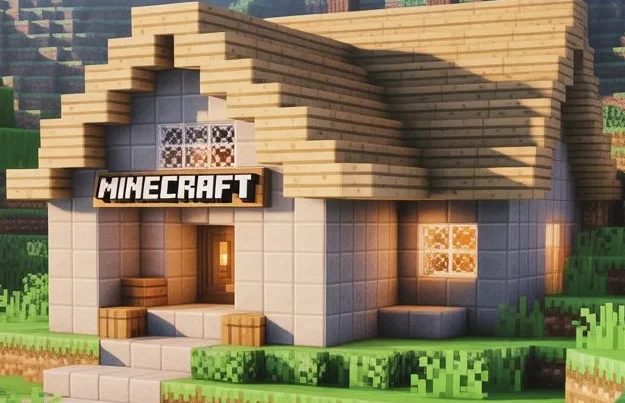
Minecraft Griefing
Minecraft griefingmeans intentional actions that harm other players’ builds, progress, or enjoyment. Players do not grief by accident. They choose to disrupt. They break trust, not just blocks. Griefing affects multiplayer servers more than single-player worlds. Shared spaces create shared risk. One bad actor can damage weeks of work.That damage drives players away and weakens communities. Not all conflict equals griefing. PvP follows server rules and consent. Raiding fits factions gameplay. Griefing ignores rules and targets harm. Intent defines the difference. This topic matters because Minecraft thrives on creativity and cooperation. Servers rely on trust, rules, and fair play. Griefing attacks all three.
Mojang allows servers to set their own rules. That freedom empowers communities but creates responsibility. Admins must protect players. Players must respect boundaries. This guide stays neutral and responsible. It explains behavior, impact, and prevention.It does not teach exploits. It does not encourage abuse. We focus on awareness and community health. We explain how servers reduce risk. We respect Mojang’s policies and player safety standards. We align with trusted sources like the Minecraft Wiki and server administration best practices. Our goal stays simple. Help players understand griefing. Help communities prevent it. Help servers stay fair, stable, and fun.
What Is Minecraft Griefing?
Minecraft griefing means intentional actions that damage other players’ work or experience. A griefer acts on purpose. They aim to cause loss, frustration, or chaos. Griefing targets builds, items, farms, or shared spaces. It does not include mistakes. It does not include fair combat. It does not include rule-based raiding. Intent separates griefing from normal gameplay. A creeper explosion during survival happens naturally. A player luring danger to destroy a base shows intent. That intent defines Minecraft Griefing. Minecraft Griefing allows creativity and freedom. Griefing abuses that freedom. It turns shared play into conflict. Trusted community sources like the Minecraft Wiki describe griefing as deliberate disruption. Server administrators follow the same definition. They focus on motive, not just damage.
Mojang does not police griefing globally. Minecraft Griefing uses server-level rule enforcement. Each server sets its own boundaries. Most survival and SMP servers ban Minecraft Griefing. They protect player builds and progress. They value cooperation and trust. Some servers allow griefing by design.Anarchy servers remove all rules. Players accept full risk before joining. Server rules decide what counts as griefing. Admins enforce those rules through plugins and moderation. Clear policies protect players and reduce conflict. Understanding server rules matters. Respecting them builds trust. Ignoring them leads to bans and damaged communities.
Common Types of Minecraft Griefing
Base and Build Destruction
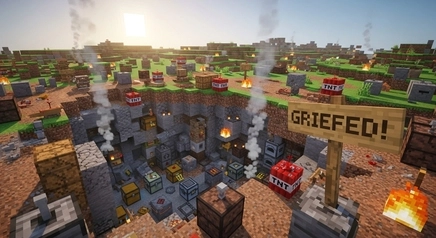
Base and build destruction remains the most visible form of griefing. Minecraft Griefing damage or alter player creations without permission. They target houses, farms, and redstone builds. Survival progress depends on time and effort. Players invest hours gathering resources. One act of destruction can erase that work instantly. This behavior discourages creativity. Players stop building when they feel unsafe. Servers lose long-term members as a result. Admins often treat this as a serious violation. It shows clear intent to harm. Most server rules ban it outright.
Spawn Area Griefing
Spawn areas attract Minecraft Griefing for one reason. Every player passes through spawn. Damage at spawn affects everyone. New players feel trapped or confused. Some quit within minutes. Spawn griefing blocks access to the server experience. It damages reputation fast. Servers with unsafe spawn areas lose trust. Moderators usually protect spawn zones first.They view spawn safety as essential. A secure spawn sets the tone for the server.
Item Theft and Chest Looting
Item theft targets player trust. Minecraft Griefing take items from chests without consent. This often involves insider access. Trusted players misuse permissions. Alt accounts increase the risk. Stolen items slow progress. They also damage relationships. Communities fracture after repeated theft. Admins track theft through logs and reports. They focus on intent and patterns. Punishments follow confirmed abuse.
Environmental Damage
Environmental Minecraft Griefing alters the world itself. Fire, lava, and water cause lasting harm. This damage spreads beyond one base. Land becomes unsafe or unusable. Repairs take time and resources. World damage affects everyone nearby. It reduces server quality. Admins often roll back affected areas.
Mob and Entity Abuse
Mob abuse targets villagers, pets, and farms. These entities represent long-term effort. Players form emotional bonds with pets. Villagers support progression and trading. Losing them feels personal. This griefing causes frustration and anger. It often leads to conflict. Strong rules help prevent repeat abuse.
Who Commits Griefing and Why?
Types of Griefers
Minecraft Griefing do not fit one profile. Different players grief for different reasons. Trolls seek reactions. They enjoy anger, confusion, and chaos.Attention fuels their behavior. Bored players grief when gameplay feels stale. They create disruption instead of leaving. Weak rules make this easier. Insider griefers pose the highest risk. They earn trust first. They abuse access later. Alt-account abusers hide behind multiple identities. They evade bans. They return after punishment. Server admins often identify patterns. Behavior history reveals intent. Logs help confirm abuse.
Common Motivations
Attention drives many Minecraft Griefing. Public damage brings fast reactions. Silence often reduces repeat attacks. Revenge motivates others. Players lash out after disputes or bans. They target builds instead of resolving conflict. Poor moderation increases griefing. Servers without active staff attract abuse. Rules without enforcement fail. Anonymity also plays a role. Public servers lower accountability. Players feel detached from consequences. Community research from server admin forums supports this pattern. Strong moderation reduces griefing incidents. Clear rules change behavior. Understanding motivation helps prevention. Admins can respond strategically. Communities stay healthier and more resilient.
Griefing vs Raiding vs PvP
Griefing vs Raiding
Minecraft Griefing and raiding are not the same. Rules define the difference. Raiding exists within structured gameplay. Factions servers allow base attacks by design. Players accept risk when they join. Griefing ignores server rules.It targets harm instead of competition. It often affects protected areas. Context always matters. A raid on a factions server follows expectations. The same act on an SMP becomes griefing. Server policies clarify these boundaries. Admins judge actions using intent and location. Logs support fair decisions. The Minecraft Wiki and admin communities stress this distinction. They focus on rule compliance. They protect balanced play.
Griefing vs PvP
PvP relies on consent. Players choose to fight. Griefing removes choice. It damages progress without agreement. It avoids fair combat. PvP follows server intent. A PvP server encourages conflict. An SMP often limits it. Fair play defines PvP. Clear rules protect participants. Violations cross into griefing. Understanding these differences prevents disputes. Players respect boundaries. Servers remain stable and welcoming.

Which Servers Allow Griefing?
Anarchy Servers Explained
Anarchy servers allow Minecraft Griefing by design. They enforce no gameplay rules. They offer no protection. Players hold full responsibility. Nothing stays safe. Everything can change. This model attracts a specific audience. Players expect chaos. They accept loss as part of play. Anarchy servers operate on transparency. Rules do not exist. Risk stays clear from the start. Well-known examples appear in public discussions and the Minecraft Wiki. They describe anarchy as unrestricted play. They do not recommend it for casual players. This explanation stays neutral. It does not promote griefing.It explains consent through server choice.
Survival, SMP, and Creative Servers
Most survival and SMP servers ban griefing. They focus on long-term progress. They protect player effort. Creative servers also restrict griefing. Builders need safety to create. Disruption ruins collaboration. These servers rely on community trust. Rules set expectations. Moderation enforces fairness. Admins use claims, permissions, and logs. They prevent damage before it spreads. They resolve conflicts quickly. Community-driven servers grow through respect. Players feel secure. Healthy environments attract long-term members. Griefing conflicts with these goals. That is why most servers prohibit it.
Impact of Griefing on Minecraft Servers
Player Experience and Retention
Minecraft Griefing breaks player trust quickly. Players expect safety in shared worlds. Griefing removes that sense of security. Many players quit after one incident. They feel powerless. They lose motivation to rebuild. Rage-quitting harms server growth. New players leave early.Veteran players stop investing time. Communities weaken over time. Active chat fades. Collaboration declines. Research from server hosting communities shows a clear pattern. Unprotected servers lose players faster. Moderated servers retain them longer. Trust forms the foundation of multiplayer Minecraft. Griefing damages that foundation. Recovery takes time and effort.
Server Damage and Admin Workload
Griefing creates technical problems. Admins must investigate incidents. They review logs and reports. Rollbacks consume resources. They affect innocent players nearby. Large damage increases downtime. Moderation strain follows repeated abuse. Staff burnout becomes common. Volunteer teams feel overwhelmed. Reputation suffers as word spreads. Players share negative experiences. Public reviews turn away newcomers. Experienced admins emphasize prevention. They rely on logging tools and clear rules. They act quickly to protect trust. Griefing costs more than blocks. It costs time, energy, and community health.
How Servers Prevent Minecraft Griefing
Land Claim Systems
Land claim systems protect player ownership. They mark areas as private. They block unwanted changes. Claims give players confidence. Builders feel safe investing time. Progress becomes sustainable. Most multiplayer servers rely on claims. They reduce disputes early. They prevent accidental damage too. Claims also clarify responsibility. Admins know who owns what. Conflicts resolve faster. The Minecraft Wiki and server admin guides often recommend claims. They support long-term server health. They balance freedom with protection.
Anti-Grief Plugins and Tools
Servers use anti-grief tools to maintain fairness. These tools do not punish blindly. They record actions. CoreProtect logs block changes. Admins review history quickly. False reports become easier to resolve. WorldGuard protects key areas. Spawn zones stay safe. Public spaces remain usable. Rollback tools restore damage. They undo griefing effects. They limit long-term harm. These tools support transparency. They build trust between players and staff. They discourage repeat abuse.
Moderation and Rules
Rules set expectations. Moderation enforces them. Permissions limit risky actions. Whitelists reduce unknown players. Active staff respond quickly. Clear rules prevent confusion. Consistent enforcement builds trust. Fair decisions reduce drama. Experienced server owners stress moderation. Human oversight matters most. Tools support people, not replace them. Strong prevention keeps communities stable.
What to Do If Your Minecraft Server Is Griefed
Immediate Steps
Act fast, but stay calm. Emotions often escalate damage. Report the incident to server admins. Use official channels only. Clear reports speed resolution. Avoid retaliation. Revenge creates more rule violations. It weakens your case. Preserve evidence. Do not alter damaged areas. Screenshots and logs help investigations. Admins rely on facts. Accurate reports lead to fair outcomes. Patience improves results. Trusted moderation guides recommend this approach. It protects innocent players. It supports proper enforcement.
Long-Term Recovery
Recovery takes planning. Rollbacks restore damaged areas. They reduce permanent loss. Admins should communicate clearly. Transparency rebuilds confidence. Silence creates doubt. Rebuilding trust matters most. Players need reassurance. Consistency restores morale. Improving protections prevents repeat incidents. Stronger rules deter abuse. Better tools support staff. Many successful servers learn from griefing events. They strengthen systems. They grow more resilient. Griefing hurts communities. Smart recovery helps them heal. Minecraft Griefing in Videos and Online Content
Why Griefing Videos Are Popular
Griefing videos attract attention fast. They rely on shock value. Viewers react strongly to destruction. Surprise keeps people watching. Drama drives engagement. Many videos follow a story format. Creators show conflict and consequences. Narratives feel intense and personal. Platforms reward strong reactions. Comments and shares increase reach. Algorithms amplify dramatic content. Some creators frame griefing as entertainment. Others document real incidents. Context changes viewer perception. Minecraft community forums often discuss this trend. They note rising interest in server drama. They also warn about misuse.
Ethical Concerns Around Griefing Content
Griefing content can normalize toxic behavior. Repeated exposure reduces empathy. Viewers may copy actions. Content without context causes harm. It blurs right and wrong. It misleads younger players. Responsible creators add boundaries. They explain rules and consequences. They avoid glorifying harm. Parents and educators raise concerns. Minecraft has a young audience. Ethics matter in shared spaces. Many platforms encourage responsible creation. Community guidelines support this view. Education protects players and servers. Balanced content informs without encouraging abuse.
Is Griefing Ever Acceptable in Minecraft?
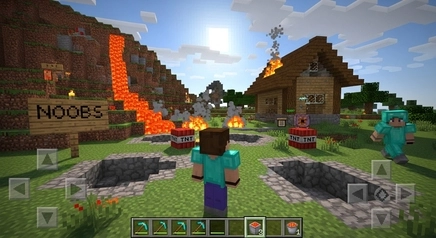
Griefing depends on context. Rules decide what is acceptable. Some servers allow unrestricted play. Anarchy servers remove all limits. Players consent by joining. Outside that context, griefing is not acceptable. Most servers ban it clearly. They protect player effort. Server rules define legitimacy. What fits one server may violate another. Reading rules matters. Admins judge actions by intent. They consider location and impact. They apply policies consistently. Ethics also matter. Minecraft encourages creativity and cooperation. Griefing undermines both. Fair play builds strong communities. Toxic behavior weakens them. Balance keeps servers healthy. This view remains neutral. It explains rules, not opinions. It respects player choice. Understanding context prevents conflict. Respecting rules builds trust. That trust sustains multiplayer worlds.
FAQs About Minecraft Griefing
What is griefing in Minecraft?
Griefing in Minecraft means intentional harm to other players’ progress or enjoyment. A griefer acts on purpose. They damage builds, steal items, or disrupt shared spaces. Accidents do not count as griefing. Normal PvP does not count. Intent defines the action.
Is griefing allowed in Minecraft?
Minecraft does not ban griefing globally. Servers set their own rules. Most survival, SMP, and creative servers ban griefing. They protect player effort. They value cooperation. Some servers allow it by design. Players must read rules before joining.
What is the difference between griefing and raiding?
Raiding follows server rules. Griefing breaks them. Factions servers allow raids. SMP servers usually do not. Context changes everything. Admins judge actions using intent and rules. The same act can mean different things.
Can you get banned for griefing?
Yes, on most servers. Griefing often leads to bans. Punishment depends on severity. Repeated abuse increases penalties. Logs support enforcement.
How do servers stop griefing?
Servers use prevention tools. Claims protect land Logs track actions. Moderators enforce rules. Active staff reduce abuse. Clear policies prevent confusion.
Are anarchy servers the only place griefing is allowed?
Yes, in most cases. Anarchy servers remove restrictions. Players accept full risk. Other servers usually prohibit griefing.
Conclusion
Minecraft griefing centers on intentional harm. It targets players, not gameplay. Intent separates griefing from normal conflict. Rules define what is allowed. Each server sets boundaries. Respecting those rules matters. Most communities reject griefing. They value creativity and cooperation. They protect player effort. Prevention keeps servers healthy. Claims, logs, and moderation reduce damage. Strong systems deter abuse. Education works better than exploitation. Understanding behavior prevents conflict. Awareness supports safer play.
This guide follows a player-first mindset. It explains without enabling harm. It avoids exploit sharing. We do not promote unsafe behavior. We do not offer fake downloads. We respect Mojang’s intellectual property. Trusted sources and community standards guide this content.Accuracy builds authority. Transparency builds trust. Minecraft Griefing thrives on shared creativity. Healthy communities sustain that vision. Responsible knowledge protects the game we enjoy.