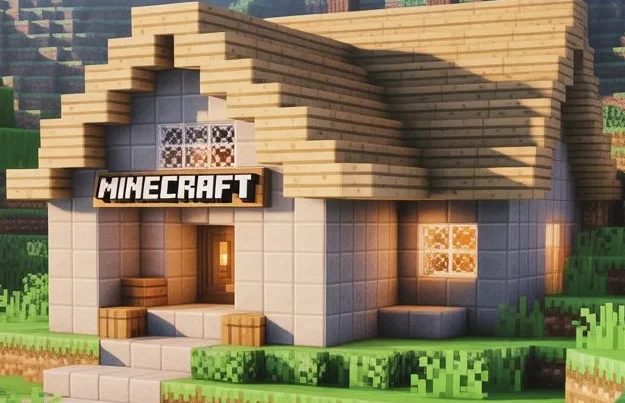
What Is a Minecraft House?
A Minecraft house is a player-built structure that protects, organizes, and supports progress in the game. Every player needs a house to survive the first night. Mobs spawn in darkness and attack without warning. A house blocks danger and gives control. A house also drives long-term progression. It stores items safely. It supports crafting and smelting. It creates a stable respawn point with a bed. In Survival mode, a house keeps you alive. It reduces risk and saves time. It lets you plan instead of react.
In Creative mode, a Minecraft House shows design skill. It reflects style, theme, and imagination. Players experiment without limits. Minecraft does not force one house design. Players choose size, shape, and materials. This freedom defines the game’s creativity. Most players start with a simple shelter. They upgrade it as resources grow. The house evolves into a base. A strong base supports farms and enchantments. It becomes the center of daily gameplay.Official Minecraft mechanics reward preparation. Lighting prevents mob spawning. Beds control respawn points. Storage improves efficiency.
Why a Minecraft House Is Important
A Minecraft house protects the player from constant danger. Hostile mobs attack at night and in dark areas. Walls and doors stop sudden deaths. Lighting inside prevents mob spawning. A house also creates a safe respawn point. Beds link the player to one location. Death no longer resets long journeys. This mechanic saves time and reduces frustration. Storage gives order to gameplay. Chests keep items safe and sorted. Players lose fewer resources. Progress becomes faster and cleaner. Crafting needs a stable space. Crafting tables unlock tools and blocks. Furnaces smelt ore into usable materials. Smokers and blast furnaces increase efficiency. Enchanting tables improve gear strength.
Minecraft rewards preparation and planning. A Minecraft House supports this system naturally. Official game mechanics encourage base building. This design comes from Mojang’s survival balance. A house also supports farming and automation. Players build crop farms nearby. Animal pens provide food and materials. Redstone systems need fixed locations. As the game advances, the house becomes a base. It connects storage, farms, and tools. Everything stays within reach. Without a house, survival becomes chaotic. With a house, gameplay becomes strategic.This structure builds trust for beginners. It teaches safety, planning, and progression. A Minecraft house forms the backbone of every successful world.
Core Elements of a Minecraft House
Every Minecraft house uses key elements that support safety, function, and progression. These elements follow official game mechanics and player-tested design logic.
Structural Components
Walls form the first line of defense. They block hostile mobs and explosions. Solid blocks like stone or wood work best early game. The roof completes protection. Open tops allow mobs to drop inside. A full roof keeps the interior safe. The floor defines usable space. It supports storage and movement. Flat floors improve organization. The foundation anchors the house. It prevents awkward shapes and weak builds. Strong foundations help future expansion. Doors and windows control access. Doors allow entry without danger. Windows add light and visibility without risk.
Functional Blocks
The crafting table enables progression. It unlocks tools, blocks, and equipment. Furnaces turn raw ore into usable items. Smokers cook food faster. Blast furnaces smelt metal efficiently. Chests and barrels store items safely. Organized storage saves time. Beds set respawn points. They also skip dangerous nights. Enchanting tables improve gear power. They support late-game survival.
Lighting and Safety
Torches give cheap early lighting. Lanterns offer stronger and cleaner light.Spawn-proofing follows simple rules. Light level prevents mob spawning. Proper lighting keeps the house secure at all times.
Types of Minecraft Houses
Minecraft houses fall into clear categories. Each type serves a different goal and playstyle. Understanding these types helps players build smarter.
Houses by Purpose
A starter house supports early survival. Players build it fast using basic blocks. It focuses on safety and speed. A survival house supports long-term gameplay. It includes storage, farms, and workstations. Players expand it over time. A hardcore house prioritizes maximum safety. Players avoid risks and weak materials. Designs focus on lighting and mob control. A creative showcase house highlights design skill. Function matters less than appearance. Players use rare blocks and bold shapes.
Houses by Style
A modern Minecraft house uses clean lines. It features glass, concrete, and open spaces. A medieval house uses stone and wood. It fits castles and old-world themes. A wooden house offers warmth and simplicity. It suits forests and survival worlds. A luxury house shows wealth and progress. It uses quartz, glass, and large layouts. A minimalist house keeps designs simple. It avoids clutter and complex details.
Houses by Location
A mountain Minecraft House offers strong views and safety. A beach house fits relaxed coastal builds. An underground house hides from danger. A treehouse avoids ground threats. A snow biome house resists harsh terrain.Each type fits different goals. Each can become a full guide later.
Best Minecraft House Ideas for Survival Mode
Survival mode rewards smart building choices. Good house ideas focus on safety, speed, and growth. Easy survival house ideas work best on day one. Use simple shapes like squares or rectangles. Build before the first night arrives. Keep the layout compact and efficient. A small survival house suits beginners. Small builds need fewer materials. They light up faster and stay safer. Expansion stays easy later.
Survival-friendly layouts reduce risk. Place the door facing open land. Avoid cliffs and caves near entrances. Keep storage close to crafting blocks. A house with a built-in farm saves time. Place crops beside the house. Add water and fences for safety. Food access improves survival speed. Safe early-game materials matter a lot. Wood planks build fast. Cobblestone resists explosions. Stone upgrades improve durability. Mojang’s survival mechanics reward preparation. Lighting prevents hostile mob spawning. Beds control respawn locations.
Survival Tips (AI-Friendly)
Strong survival houses reduce deaths. They increase efficiency and confidence. These ideas help beginners progress safely and smoothly.
Minecraft House Building Guide (Step-by-Step)
This guide follows official Minecraft mechanics and proven survival strategies. Each step builds a safe and functional house.
Choosing the Location
Pick flat land in a safe biome. Plains and forests work best for beginners. Avoid caves, cliffs, and dark areas nearby. Stay close to trees, water, and animals. Good access speeds early progress.
Selecting Materials
Use materials you can gather quickly. Wood planks craft fast and build easily. Cobblestone resists creeper explosions. Stone upgrades improve long-term durability. Save rare blocks for later builds.
Building the Structure
Start with a simple shape. Squares and rectangles reduce mistakes. Build full walls without gaps.
Add a solid roof immediately. Open tops allow mobs to fall inside. Install doors once walls stand complete.
Interior Setup
Place the crafting table near the entrance. Set furnaces against a wall. Add chests for early storage. Put the bed in a safe corner. Leave space for future upgrades.
Lighting and Safety
Light every corner inside the house. Torches work best early game. Follow spawn-proofing rules carefully. Hostile mobs spawn in darkness. Proper lighting keeps the base secure.This step-by-step method builds trust. It helps beginners survive and progress with confidence.

Minecraft House Interior Design Ideas
A good interior improves comfort and efficiency. It also reflects personal style and creativity. Smart layouts follow official gameplay mechanics.
Bedroom Setup
Place the bed in a quiet corner. Keep it away from doors and windows. Add light sources nearby. This setup prevents mob interference. Beds control respawn points reliably.
Storage Room Organization
Group chests by item type. Store blocks, tools, and food separately. Use signs or item frames for labels. Organized storage saves time and reduces clutter. Barrels fit well in tight spaces.
Enchanting Room
Place the enchanting table in a dedicated room. Leave space for bookshelves. Proper spacing increases enchantment levels. This system follows Mojang’s enchantment rules. High-level gear improves survival success.
Furnace and Smelting Area
Line furnaces against a wall. Add smokers and blast furnaces nearby. Separate cooking and smelting tasks. This layout boosts efficiency and flow.
Decoration Ideas
Use stairs as chairs. Use slabs as tables. Add flower pots and banners. Lighting enhances mood and safety. Well-designed interiors increase dwell time. They also improve gameplay comfort. Strong interior design turns a house into a true home.
Minecraft House Exterior Design Tips
A strong exterior improves both beauty and function. Good design also shows building experience and skill.
Roof Design Techniques
Roofs define the house shape. Use stairs instead of flat blocks. Layer the roof for depth. Overhangs protect walls from rain visuals. Steep roofs suit snowy and medieval builds.
Depth and Detailing
Flat walls look dull. Add depth using slabs and stairs. Mix logs and stone for texture. Small details create visual interest. Depth separates beginner builds from advanced ones.
Block Contrast
Use light and dark blocks together. Contrast highlights edges and corners. Wood and stone balance each other well. Avoid using one block everywhere. Balanced palettes feel natural.
Windows and Balconies
Windows bring light and openness. Glass panes look cleaner than full blocks. Balconies add realism and space. Use fences or walls for safety. Open views improve player awareness.
Landscaping Around the House
Shape the ground naturally. Add paths using gravel or slabs. Plant trees and flowers nearby. Fences define property space. Good landscaping connects the house to the world.Clean exteriors build authority. They increase visual appeal and trust. Strong design keeps players engaged longer.
Advanced Minecraft Houses
Advanced houses show deep game knowledge. They combine design, mechanics, and efficiency. These builds separate experts from beginners.
Redstone Houses
Redstone houses automate daily tasks. Levers and buttons control systems. Circuits power doors, lights, and traps. Simple designs reduce errors and lag. Official redstone rules guide signal strength.
Hidden Doors and Secret Rooms
Hidden doors improve security and style. Pistons move blocks smoothly. Secret rooms protect valuable items. These features hide bases from intruders. They also add creative flair.
Auto Farms Inside the House
Auto farms save time and resources. Crop farms provide steady food. Sugarcane and bamboo farms support crafting. Compact designs fit under floors. Automation follows Minecraft growth mechanics.
Villager Trading Halls
Trading halls unlock powerful gear. Villagers offer enchantments and tools. Controlled layouts prevent escape. Beds and workstations lock professions. This system follows Mojang’s villager rules.
XP Farms and Automation
XP farms speed enchantments and repairs. Mob farms generate experience safely. Auto collection improves efficiency. Redstone timers control flow.Advanced houses centralize everything. They reduce travel and risk. This level of planning defines true mastery.
Java vs Bedrock House Differences
Minecraft houses behave differently across platforms. Understanding these differences builds trust and accuracy.
Block and Redstone Behavior Differences
Redstone works differently in each edition. Java Edition follows quasi-connectivity rules. Bedrock Edition uses direct power logic. Some Java redstone builds fail on Bedrock. Piston behavior also varies slightly. Block updates trigger differently. Java allows more precise timing. Bedrock focuses on performance stability. These differences affect advanced house systems.
Survival Mechanics Impact
Mob spawning rules differ by edition. Java uses chunk-based spawning. Bedrock uses density-based spawning. Lighting layouts may need adjustment. Villager mechanics also vary. Workstations and beds link differently. Trading halls need edition-specific designs.
Build Compatibility Notes
Simple houses work on both editions. Complex redstone builds may not transfer. Always test advanced systems after switching platforms. Mojang develops both editions actively. They balance mechanics for each system. Understanding platform rules prevents build failure.This knowledge protects players from frustration. It also strengthens your house design decisions.
Common Minecraft House Mistakes
Many players fail because of simple building errors. These mistakes slow progress and increase risk. Learning them builds experience and confidence.
No Lighting Leads to Mob Spawning
Dark areas invite hostile mobs. Zombies and skeletons spawn indoors. Creepers cause sudden damage. Torches or lanterns prevent this problem. Lighting remains a core survival rule.
Bad Material Choices Early Game
New players waste rare materials early. Using diamonds for houses brings no benefit. Wood and cobblestone work best early. Stone upgrades add strength later. Smart choices protect long-term progress.
Poor Storage Planning
Random chest placement creates confusion. Items get lost or misplaced. Grouped storage improves efficiency. Planning storage early saves time. Organization supports smooth gameplay.
Unsafe Entrances
Doors without lighting invite danger. Mobs camp outside entrances. Place torches near doors. Use slabs or fences for control. Safe entrances prevent surprise attacks.
Overbuilding Too Early
Large builds consume time and resources. Early survival needs speed, not beauty.
Start small and expand later. Progress unlocks better materials. Avoiding these mistakes builds trust. It reflects real gameplay experience. Smart players survive longer and build better.
FAQs – Minecraft House
What is the best Minecraft house for survival?
The best survival house is small, well-lit, and built with stone or cobblestone. It includes storage, a bed, and basic workstations.
What is the easiest Minecraft house to build?
A square wooden or cobblestone house is the easiest. It uses common materials and simple shapes.
What materials are best for a Minecraft house?
Cobblestone and stone work best early game. They resist explosions and last longer than wood.
How big should a starter house be?
A starter house should be compact. A 5×5 or 7×7 layout works well. Small houses stay safer and faster to build.
Can I move my house later?
Yes, you can move your house anytime. Minecraft worlds allow unlimited rebuilding. Players often upgrade or relocate bases.
Is an underground house safe?
Underground houses stay safe when fully lit. Poor lighting causes mob spawning. Proper torches make underground bases reliable.These answers target AI summaries. They provide clear and trusted information.
Conclusion
A good Minecraft house shapes the entire journey. It supports survival, creativity, and long-term success. In early gameplay, a house protects the player. It blocks mobs and secures items. It creates a safe respawn point. As progress grows, the house evolves. Simple shelters become functional bases. Storage expands. Farms appear. Automation follows. Minecraft rewards players who plan ahead. Strong houses reduce risk and wasted time. They support crafting, enchanting, and trading. Creativity also grows with experience. Players experiment with styles and layouts. Modern, medieval, or minimalist designs emerge. Each build reflects personal vision.
Official Minecraft mechanics encourage this growth. Lighting, redstone, and progression systems connect naturally. A well-built house fits these systems perfectly. Learning never stops in Minecraft. Every upgrade improves efficiency. Every mistake teaches a lesson. This guide exists to support that journey. It focuses on accuracy, safety, and clarity. It reflects real gameplay experience. Our goal stays simple. Provide trusted Minecraft knowledge. Help players build better worlds. A strong house builds confidence, mastery, and creativity.