Minecraft Traps
Minecraft traps are player-built systems that detect movement and trigger an action. They protect bases, control mobs, or stop enemy players. Traps use game mechanics, not cheats or mods. Players use traps for defense, strategy, and creativity. A good trap saves resources and time. A bad trap hurts the owner. This guide explains how Minecraft traps work, not just how to copy builds.You will learn the logic behind triggers, damage, and timing. That knowledge helps you design safer and smarter traps.
All trap concepts here work in Survival, Creative, and Multiplayer worlds. No mods are required unless clearly mentioned.Every example respects normal game rules. Minecraft traps behave differently in Java Edition and Bedrock Edition. Redstone timing and updates change across versions. This guide highlights those differences when they matter.
You will find:
- Trap types and designs
- Redstone and non-redstone traps
- Base defense strategies
- PvP and mob trap use cases
- Safety tips to avoid self-damage
This content follows official Minecraft mechanics. It avoids exploits, glitches, and illegal server behavior. Information aligns with Mojang updates and Minecraft Wiki references. The goal stays simple. Help players build effective traps with confidence. Teach strategy, not shortcuts. This guide suits beginners and experienced players alike. Clear explanations keep learning easy. Every section builds on the last for smooth understanding.
What Are Minecraft Traps?
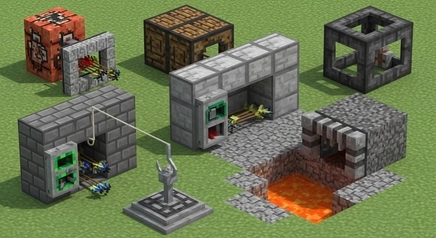
Minecraft traps are structures that react to movement or interaction. They detect players or mobs and trigger an effect. That effect can damage, block, delay, or alert. A trap always has two parts. The first part is the trigger. The second part is the mechanism. Triggers detect actions. Common triggers include pressure plates, tripwires, and buttons. Some traps detect block updates or vibrations. Others react when a player walks nearby. Mechanisms perform the action. They release lava, drop blocks, fire arrows, or open pits. Some traps use pistons to move blocks. Others use dispensers to launch items or projectiles. Many traps use redstone, Minecraft’s power system. Redstone works like wiring. It carries signals between blocks. You do not need advanced knowledge to understand basic traps.
Players use traps for three main reasons. Base defense protects doors, halls, and storage rooms. PvP traps stop or eliminate enemy players. Mob control guides or kills hostile mobs safely. Traps work in Survival, Creative, and Multiplayer modes. They rely on normal game mechanics. They do not require mods or cheats. Well-built traps reward planning and patience. Poor traps cause self-damage or waste resources. Understanding the basics prevents those mistakes. Minecraft Wiki documents trap-related mechanics clearly. Mojang patch notes explain changes to redstone behavior. Using official sources keeps trap designs reliable and fair. Minecraft traps turn simple blocks into smart defenses. They blend strategy, timing, and creativity.
How Minecraft Traps Work
Minecraft traps rely on predictable game rules. They do not guess or cheat. They respond to player and mob actions. Understanding these mechanics builds trust and prevents failure. Mojang documents these systems in official updates. The Minecraft Wiki explains them in detail.
Trap Triggers in Minecraft
Triggers start the trap. They detect interaction or movement. Pressure plates activate when an entity steps on them. Players, mobs, and items can trigger them. Tripwires activate when an entity crosses a string. They work well in hallways and doorways. Buttons and levers require manual activation. They suit controlled or emergency traps. Observers detect block changes. They react to updates like door movement or redstone signals. Sculk sensors detect vibrations. They react to walking, block placing, and item use. Some traps rely on player proximity. Others activate through block update mechanics. These systems behave differently in Java and Bedrock.
Damage and Detection Mechanics
Damage depends on how entities interact with blocks. Entity hitboxes define where damage applies. Traps must align with hitbox size and movement. Fall damage increases with height. Deep pits remain simple and effective. Explosion damage depends on distance and blocks. TNT placement matters. Suffocation and crushing occur inside solid blocks. Pistons often cause this damage. Lava and fire damage deal constant harm. They bypass armor over time. Minecraft traps succeed through timing and placement. They reward knowledge, not luck.
Types of Minecraft Traps
Minecraft traps fall into clear design categories. Each type serves a different skill level and goal. Choosing the right design prevents waste and accidents.
Simple Minecraft Traps (Beginner Friendly)
Simple traps use few materials. Many need no redstone at all. Players build them early in Survival mode. Common examples include pitfall holes and lava drops. These traps rely on gravity and positioning. They stay safe when clearly marked. Early-game traps protect doors and caves. They help new players survive the first nights. They cost little and teach basic mechanics.
Redstone Traps
Redstone traps add automation and control. Some activate on their own. Others require manual input. Automatic traps trigger without player action. They suit base defense and mob control. Manual traps give precise control during PvP. Many designs allow resetting. Compact builds save space and reduce lag. Minecraft Wiki documents reliable redstone patterns.
Hidden and Secret Traps
Hidden traps rely on deception. They look harmless but trigger instantly. Fake floors drop players into pits. Fake chests trigger TNT or arrows. Hidden corridors conceal pressure plates. Visual tricks matter more than damage here. Timing and placement decide success.
Deadly vs Non-Lethal Traps
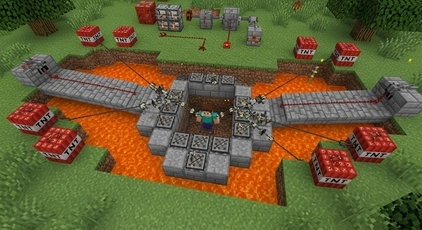
Deadly traps focus on elimination. They use lava, TNT, or crushing damage. Non-lethal traps control movement. They deny access or delay enemies. Capture traps suit multiplayer servers with rules. Smart trap design balances risk and purpose.
Minecraft Traps by Use Case
Minecraft traps work best when built for a clear purpose. Design changes based on location, enemy type, and server rules. Use-case planning improves safety and effectiveness.
Base Defense Traps
Base defense traps protect valuable areas. They activate where players move most. Entrance traps stop intruders at the first step. Pressure plates and tripwires work well here. Door traps punish forced entry. They often use pistons, arrows, or lava. Staircase traps exploit downward movement. Players rarely expect danger while descending. Emergency kill-switches give control to the owner. A lever can disable or activate defenses instantly. This prevents self-damage during repairs.
PvP and Multiplayer Traps
PvP traps focus on player behavior. They work best on competitive servers. Faction traps protect shared bases and claims. Anarchy traps aim for maximum damage and deception. Anti-grief traps slow intruders and protect storage. Server rules always matter. Some servers ban lethal or irreversible traps. Always follow server guidelines to avoid penalties.
Mob Traps vs Player Traps
Mob traps exploit predictable behavior. Mobs follow fixed pathfinding rules. Players act unpredictably and adapt quickly. Effective player traps rely on surprise. Mob traps rely on mechanics. Minecraft Wiki explains mob AI and pathfinding clearly. Using official mechanics keeps designs fair and reliable.
Mob-Specific Minecraft Traps
Different mobs behave in different ways. Effective traps respect those behaviors. Ignoring mob mechanics causes failure and danger. This section explains common mob-focused trap strategies. Each topic can expand into a full guide later.
Creeper Traps
Creepers explode when close to players. Traps must keep distance. Water channels reduce explosion damage. Drop-based traps work well. Fall damage kills creepers safely. Cats also scare creepers away from paths.
Skeleton Traps
Skeletons attack from range. Line-of-sight control matters. Trap designs use corners and cover. Arrow dispensers or falling blocks work well. Skeletons burn in sunlight, which helps daytime traps.
Zombie Traps
Zombies follow players directly. They fall easily into pits. They pathfind toward doors and villagers. That behavior allows controlled movement. Sunlight weakens zombies without helmets.
Enderman Traps
Endermen teleport when attacked. Tall traps fail often. Low ceilings block teleporting. Water damages endermen constantly. Two-block-high spaces trap them safely.
Warden Traps (Risk and Limits)
Wardens ignore most damage. They detect vibrations, not sight. Sculk sensors trigger Warden movement. Direct combat traps rarely succeed. Warning: Trapping Wardens is dangerous. Many servers discourage or restrict it. Mojang designs Wardens as avoidance mobs. Use sound distraction, not killing traps. Respect game balance and player safety. Minecraft Wiki documents mob AI behavior. Official design intent supports fair trap use.
Version Differences (CRITICAL for Trust)
Minecraft traps do not behave the same in every version. Ignoring version differences causes broken designs. Understanding these changes builds reliable traps. Mojang documents most changes in official patch notes. The Minecraft Wiki tracks version-specific mechanics.
Minecraft Java Edition Traps
Java Edition offers consistent redstone behavior. Signals fire in a predictable order. Redstone update order stays stable. Complex circuits behave as expected. TNT follows precise explosion rules. Chain reactions stay controlled. This consistency suits advanced trap designs. Java traps favor precision and timing. Many tutorials target Java mechanics first.
Minecraft Bedrock Edition Traps
Bedrock Edition handles redstone differently. Signals may update in random order. Observers behave inconsistently in some builds. Timing-based traps may fail without testing. Simulation distance affects trap activation. Traps outside loaded chunks stop working. Compact designs perform better in Bedrock. Bedrock traps must stay simple and tested.
Minecraft 1.20 vs 1.21 Trap Changes
Many core mechanics still work. Pressure plates, tripwires, and pistons remain reliable. Some redstone timings changed in updates. Older instant-wire tricks no longer function. Mob behavior received small adjustments. Pathfinding remains predictable. Safe designs avoid version exploits. Use basic mechanics shared across versions. This approach keeps traps future-proof and fair.
Survival vs Creative Trap Design
Trap design changes based on game mode. Survival and Creative serve different goals. Understanding both prevents wasted effort.
Survival-Friendly Traps
Survival traps focus on efficiency. Resources matter at every stage. Good designs use common blocks. Iron, stone, and redstone appear often. Expensive materials slow progress. Reset ability is critical. A trap should work more than once. Manual reset options improve long-term use. Owner safety comes first. Clear markings prevent accidents. Emergency shutoff levers reduce risk. Survival traps must respect hunger and health limits. Overly complex builds increase failure chances. Simple designs survive updates better. Minecraft Wiki emphasizes practical survival mechanics. Official guides support sustainable gameplay.
Creative-Only Traps
Creative traps focus on display. They showcase ideas and visual tricks. Unlimited resources allow large builds. Players test concepts without risk. Creative mode supports experimentation. Designers refine timing and layout. Finished designs can move into Survival later. Creative traps ignore resource limits. They often break survival balance. Use them for learning, not defense. Both modes serve important roles. Survival builds reliability. Creative builds innovation.
Common Mistakes With Minecraft Traps
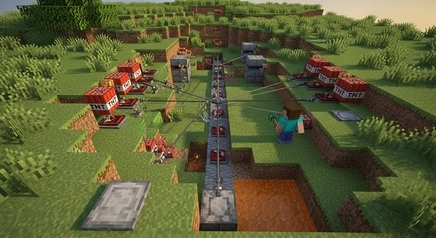
Many traps fail due to simple mistakes. Avoiding these errors saves time and resources. Google values clear problem-solving content. Triggering your own trap happens often. Poor markings confuse owners. Always add safe paths or bypass switches. Redstone timing errors break trap logic. Delays must match activation speed. Test every circuit before final placement.Java and Bedrock handle timing differently. Chunk loading issues stop traps from working.Unloaded chunks pause redstone activity. Build traps inside active areas. Simulation distance settings affect results.
Lag-heavy designs harm performance.Excessive redstone clocks cause slowdown. Entity-heavy traps increase server lag. Compact builds reduce strain. Server rule violations create serious problems.Some servers ban lethal or griefing traps. Always read server guidelines first. Punishments can include bans or rollbacks. Minecraft Wiki documents redstone limits clearly. Mojang discourages designs that harm performance. Smart trap builders plan ahead. They test carefully and respect rules. Mistake-free traps last longer and work better.
Are Minecraft Traps Allowed on Servers?
Minecraft traps are always allowed in singleplayer worlds. Players control the rules and risks. No restrictions apply. Multiplayer servers follow different standards. Each server sets its own rules. Always read them before building traps. PvP servers usually allow traps. They expect combat and strategy.However, some limit instant-kill designs. Others ban traps near spawn areas. Griefing differs from defense. Defensive traps protect your base.Griefing traps aim to destroy others unfairly. Many servers punish griefing behavior.
Faction and survival servers often allow base traps. They restrict traps that cause lag or permanent damage. Anarchy servers allow almost anything. Admins enforce rules differently. Some use warnings. Others issue bans or rollbacks. Repeated violations lead to harsher penalties. Mojang does not ban traps by default. Server owners decide acceptable behavior. Respecting rules builds trust and reputation. Use clear signage when required. Avoid trapping public areas. Ethical trap use protects gameplay balance. Following server rules keeps traps fun. It also keeps your account safe.
FAQs
Conclusion
Minecraft traps add depth to gameplay. They reward planning and smart thinking. Players learn to predict movement and behavior. Trap design encourages creativity. Simple blocks gain new purpose. Every build reflects the player’s style and intent. Traps also teach redstone mastery. Signals, timing, and logic work together. Understanding redstone improves many game systems. Defensive gameplay benefits the most. Well-placed traps protect bases and resources. They reduce risk without constant combat. Traps remain relevant in every update. Mojang preserves core mechanics. Pressure plates, pistons, and damage rules stay consistent. Smart designs adapt easily to changes.
Effective traps rely on knowledge, not exploits. They respect game balance. They work across Survival, Creative, and Multiplayer. Safety always comes first. Clear labeling prevents accidents. Emergency controls protect the owner. Fair play builds trust on servers. Respect server rules and other players.Use traps for defense, not abuse.Mojang designs Minecraft around creativity and choice. Traps fit that vision perfectly. They turn strategy into survival.