Minecraft Roller Coaster
A Minecraft roller coaster is a player-built ride that uses minecarts and rail systems. Players place rails on blocks to create a guided track. Minecarts move along the track using gravity and powered rails. Redstone controls speed, starts, and stops. The game does not include official roller coasters. Players create them using in-game mechanics. This makes every roller coaster unique. Players build Minecraft roller coasters for many reasons. They add fun to survival and creative worlds. They work as fast transport between bases.They showcase building and redstone skills. Many players build theme parks and adventure maps. Others design extreme rides for videos and showcases. Roller coasters also help new players learn minecart mechanics. They mix creativity with problem solving.
Minecraft roller coasters work in Java Edition and Bedrock Edition. Both versions support minecarts, rails, and redstone systems. Some mechanics behave slightly differently between versions. The core concept stays the same across platforms. You place rails, power them, and test the ride. Minecarts follow momentum and slope direction.Redstone adds automation and control. This guide explains everything step by step. It focuses on safe, legitimate gameplay. It follows official Minecraft mechanics and design rules.
What Is a Roller Coaster in Minecraft?
A Minecraft Roller Coaster is a ride built by players using minecarts and rail systems. It moves a minecart along a fixed track. The track guides speed, direction, and elevation. Gravity and powered rails control movement. The game does not include official roller coaster rides. Players create them using normal gameplay mechanics. Minecraft roller coasters rely on minecarts and several rail types. Normal rails guide the cart’s path. Powered rails increase speed or push carts uphill. Detector rails send redstone signals when a cart passes. Activator rails trigger actions like ejecting players. Redstone components power and automate the system. This setup allows full control over the ride.
Players build Minecraft Roller Coaster in creative and survival worlds. They often appear in Minecraft theme parks. Many adventure maps include scripted coaster rides. Multiplayer servers use them as attractions or transport systems. Some coasters focus on speed and drops. Others focus on scenery and storytelling. Each design reflects player creativity and skill. Minecraft roller coasters follow real game physics. They respect block placement rules. They use legitimate materials and mechanics. This makes them safe and fair to build. They remain a popular feature across Minecraft versions.
How Minecraft Roller Coasters Work
Minecraft roller coasters work through simple but strict game mechanics. The system relies on minecart physics and rail behavior. Understanding these mechanics improves speed, flow, and reliability. Every coaster follows the same core rules. These rules apply in Java Edition and Bedrock Edition. Good builds respect these limits instead of fighting them.
Minecarts and Rail Physics
Minecraft Roller Coaster move based on momentum. They gain speed when traveling downhill. They lose speed when climbing slopes. Flat rails slowly reduce minecart speed. Powered rails prevent speed loss. Sharp turns reduce momentum.Gentle curves keep the ride smooth. Sudden elevation changes affect control. Long drops increase speed quickly. Poor spacing causes stalls. Good planning keeps the cart moving.
Types of Rails Used
Normal rails guide the minecart’s direction. They form the base of every track. Powered rails push minecarts forward. They also move carts uphill. Detector rails detect passing minecarts. They send redstone signals. Activator rails trigger actions. They can eject riders or activate systems. Each rail type serves a specific purpose. Balanced use improves performance and safety.
Redstone Power Basics
Redstone powers advanced roller coaster systems. Levers provide constant power.
Buttons send short pulses. Redstone torches supply steady energy. Repeaters extend power distance. Continuous power keeps rails active. Pulse power triggers timed actions. Smart redstone design improves automation.
How to Build a Roller Coaster in Minecraft
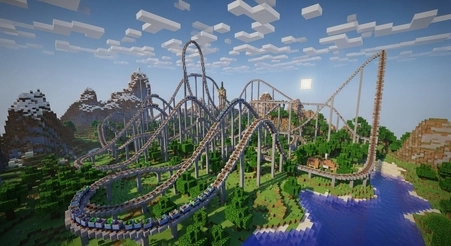
Building a Minecraft roller coaster requires planning and testing. Every step affects speed, safety, and flow. Good design prevents stalls and derailments. This process works in survival and creative mode. Follow each step in order for best results.
Planning the Track Layout
Start by planning the track path. Decide where the ride will begin and end. Add elevation changes for excitement. Use drops to increase speed naturally. Avoid steep climbs without power. Plan turns carefully to maintain momentum. Long rides need extra powered rails. Short rides focus on smooth flow.Always leave space for supports and scenery.
Required Materials
You need minecarts to ride the track. Rails form the base path. Powered rails control speed and climbs. Detector rails support automation. Redstone powers the system. Levers and buttons control starts. Building blocks support the structure.Glass and fences improve safety and style.
Building the Track
Place rails on solid blocks only. Avoid gaps in the track. Support elevated rails with blocks or pillars. Use slabs and stairs for realism. Keep turns smooth and aligned. Poor alignment causes derailment.
Powering the Coaster
Place powered rails before slopes. Add powered rails after long flat sections. Space powered rails every few blocks. Use redstone torches for constant power.Buttons work well for launch stations.
Testing and Optimization
Test the ride often. Adjust powered rail placement for speed. Fix stuck minecarts immediately. Add safety rails near drops. Smooth weak sections for better flow.
Roller Coaster Design Ideas in Minecraft
Great Minecraft Roller Coaster design balances fun, flow, and safety. Each design style fits different players and goals. You can start simple and grow more complex over time. All designs use the same core mechanics. Creativity shapes the final experience.
Simple Starter Roller Coaster
A starter Minecraft Roller Coaster suits new players. It uses short tracks and gentle slopes. Powered rails handle most movement. The build costs fewer resources.It works well in survival mode. Straight paths reduce derailment risk. Small drops add excitement without danger. This design helps players learn minecart behavior. Many beginners start here.
Extreme and Fast Roller Coasters
Extreme roller coasters focus on speed. They use long drops to gain momentum. High-speed sections feel intense. Sharp turns increase challenge.Powered rails control recovery points. These coasters suit creative mode. They also appear in showcase worlds.Careful testing prevents crashes.
Realistic Roller Coasters
Realistic coasters simulate real rides. They use smooth turns instead of sharp corners. Gradual slopes control speed naturally. Support beams improve realism. Builders often study real roller coasters. This style focuses on immersion and flow.
Themed Roller Coasters
Themed coasters tell visual stories. Theme park builds remain very popular. Jungle coasters use trees and vines. Underwater coasters use glass tunnels. Lava themes create danger and drama. Scenery enhances the ride experience.
Advanced Roller Coaster Features
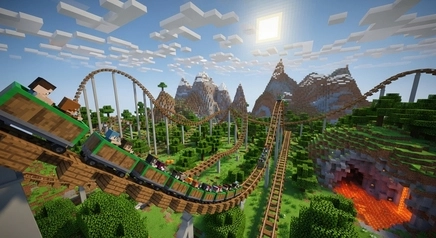
Advanced features turn a simple coaster into a smart system. Redstone automation improves control and reliability. These features appear in professional builds and servers. They also increase player safety.Good automation shows strong technical skill.
Auto-Start Systems
Auto-start systems remove manual effort. Detector rails detect the minecart. They send a redstone signal instantly. This signal powers nearby rails. The ride starts automatically. Buttons require player interaction. They work well at boarding stations. Pressure plates activate when players step on them. They suit public servers. Detector rails offer the most control.
Launch Systems
Launch systems boost minecart speed quickly. Piston launchers push minecarts forward. They require precise timing. Slime block boosters add extra force. They store energy briefly. These systems create fast starts. They work best in creative mode. Testing prevents misfires and stalls.
Checkpoints and Stops
Checkpoints control ride flow. Stations act as safe stops. Powered rails slow the minecart. Activator rails eject riders safely. Unloading zones prevent collisions. Clear exits improve player movement. These systems keep rides smooth and safe.
Minecraft Roller Coasters in Different Game Modes
Minecraft roller coasters change based on game mode. Each mode offers different limits and advantages. Builders adjust design choices to match these rules. Understanding the mode improves planning and results.
Survival Mode Roller Coasters
Survival mode limits resources. Iron and gold take time to collect. Powered rails cost gold ingots. Efficient design reduces waste.Shorter tracks save materials. Roller coasters also serve transport roles. They connect bases and farms. They move players safely over terrain. Gravity-based drops reduce power needs.Survival coasters focus on function first.
Creative Mode Roller Coasters
Creative mode removes all limits. Blocks and rails cost nothing. Design becomes the main focus. Builders create large and complex tracks. Extreme drops become possible. Automation becomes more advanced. Creative mode suits testing and showcases. Many viral builds start here.
Multiplayer and Server Builds
Multiplayer servers host public roller coasters. Players share rides with others. Servers often build theme parks. These parks include multiple rides. Clear stations prevent crowding. Auto-start systems improve flow. Safety features matter more. Well-built rides reduce lag and errors.
Roller Coaster Maps and Downloads (Trust-Safe Section)
Roller coaster maps are custom Minecraft worlds. Creators design full rides inside these worlds. Players download the map and load it in Minecraft. These maps often include theme parks or adventure paths. They showcase advanced building and redstone skills.Many creators share maps for free. Always download maps from trusted sources. Use well-known community platforms. Examples include the Minecraft Wiki community and official creator pages. Read descriptions before downloading.Check the Minecraft version listed by the creator. Use the correct edition for Java or Bedrock. Install maps carefully. Place Java maps in the “saves” folder. Import Bedrock maps using the game menu. Follow creator instructions exactly. Back up your worlds before installing new maps. This prevents data loss.
Avoid fake or modified downloads. Never download files that claim free paid content. Do not install files that ask for passwords. Ignore sites that bundle mods without permission. These files can harm your device. Respect Mojang’s terms of use. Do not sell unlicensed Minecraft content. Support original creators. Safe downloads protect your account. Legitimate maps keep gameplay fair and enjoyable.
Common Problems and Fixes
Even well-built roller coasters face issues. Most problems come from physics or power mistakes. Fixing them improves ride flow and safety. These solutions work in Java and Bedrock editions.
Minecart Stops Mid-Ride
Minecarts stop when they lose momentum. Long flat sections cause speed loss. Uphill tracks need powered rails. Add powered rails before slopes. Space powered rails closer together. Remove sharp turns near climbs. Test the ride after each change.
Coaster Too Slow or Too Fast
Slow coasters lack powered rails. Add powered rails on flat sections. Use downhill drops to gain speed. Fast coasters feel unsafe. Add flat rails to reduce speed. Use gentle turns instead of sharp corners. Balance speed for comfort and control.
Redstone Not Powering Rails
Unpowered rails stop the ride. Check redstone connections first.Ensure torches face the correct block. Extend power using repeaters. Avoid broken redstone lines.Test switches and buttons. Replace faulty components immediately.
Minecart Derails
Derailments come from poor rail placement. Sharp corners cause track errors. Ensure rails sit on solid blocks. Avoid gaps under rails. Smooth turns prevent crashes. Support elevated tracks properly.
FAQs
Conclusion
Minecraft roller coasters combine creativity and engineering. Players design tracks from simple blocks. They solve movement and speed challenges. Each build reflects personal style and skill. This balance keeps players engaged. Roller coasters also deliver fun and function. They create exciting rides. They move players across long distances. Many survival worlds use them as transport systems.This dual purpose adds real value.
The community drives their popularity. Creators share builds and maps.YouTubers showcase coaster rides and POV videos. Servers host theme parks for players. These builds inspire new ideas worldwide. Roller coasters remain relevant across versions. Minecart mechanics stay consistent. Java and Bedrock both support them. Players can rebuild designs after updates. This stability builds long-term interest.Most importantly, roller coasters use safe mechanics. They rely on official game systems. They follow Mojang’s guidelines. No exploits or fake downloads are required. This makes them a trusted and timeless Minecraft feature.