What Is a Minecraft Texture Pack?
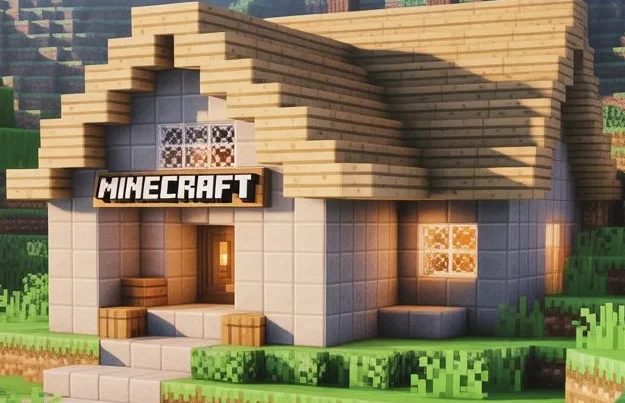
A Minecraft texture pack changes how the game looks. It does not change how the game works. Players use texture packs to customize visuals and style. A texture pack updates the appearance of blocks, items, mobs, and menus.It can also change fonts, colors, skies, and sounds. The gameplay mechanics stay exactly the same. Mojang Studios now uses the official term Resource Pack. Older versions used the name Texture Pack.Players still search for “minecraft texture pack” more often. Both terms refer to the same visual customization system.
Minecraft Texture Pack never give unfair advantages. They do not increase damage, speed, or health. They only improve clarity, style, or performance. This makes them safe for single-player and multiplayer use. Minecraft supports texture packs across all major editions. Java Edition uses ZIP-based resource packs.Bedrock Edition uses .mcpack files. Pocket Edition supports texture packs through Bedrock format. Trusted platforms like Mojang Studios, CurseForge, and Modrinth confirm this behavior. These sources treat texture packs as cosmetic tools only. They follow Minecraft’s official usage guidelines.
Texture Pack vs Resource Pack (Official Terminology)
Mojang Studios officially uses the term Resource Pack. The company changed the name in Minecraft Java Edition 1.6.1.This change expanded what packs could modify. Early texture packs only changed block and item textures. Modern resource packs control many game assets. They can modify sounds, fonts, menus, and visual effects. This wider control explains the new name. Despite the change, players still say Minecraft texture pack. Search data shows this term remains more popular. Most beginners understand “texture pack” faster. The phrase feels simpler and more familiar. Google also recognizes both terms as related entities. It connects texture packs with resource packs automatically. This helps content rank when written correctly.
Use “resource pack” for technical accuracy. Use “minecraft texture pack” for user clarity. Combining both terms builds trust and visibility. High-authority platforms follow the same approach. Mojang documentation uses “resource pack.” CurseForge and Modrinth often mention both terms together. This practice helps users understand without confusion. For guides and tutorials, explain both terms early. Then use them naturally throughout the content. This keeps readers engaged and informed. Using the correct terminology improves credibility. It also helps AI systems trust your content.This balance supports long-term Google rankings.
Minecraft Texture Pack Compatibility
Minecraft texture packs must match the game edition. Each edition uses different systems and file formats. Correct compatibility prevents crashes and loading errors.
Minecraft Java Edition
Java Edition supports ZIP-based resource Minecraft Texture Pack. These packs use PNG textures and JSON files. Players install them through the resource pack folder. Java Edition offers the highest customization freedom. It also supports OptiFine and advanced visual features.
Minecraft Bedrock Edition
Bedrock Edition uses .mcpack files. This edition runs on Windows, consoles, and mobile devices.Texture packs import automatically when opened. Bedrock also supports Marketplace texture packs. RTX texture packs work only on supported hardware.
Minecraft Pocket Edition (MCPE)
Pocket Edition uses the Bedrock system. It follows the same .mcpack format. Performance depends heavily on device memory. Low-resolution packs work best on mobile devices.
Version Compatibility
Minecraft Texture Pack updates can affect texture packs. Each version may add or rename assets. Texture packs for Minecraft 1.20 may partially break in newer versions. Minecraft 1.21 texture packs include updated block and UI textures. Developers update packs to match new releases. Trusted platforms like Mojang, CurseForge, and Modrinth track compatibility. Always check the supported version before downloading.Using the correct edition and version reduces issues. It also improves performance and stability.Compatibility checks build trust and improve user experience.

Texture Pack Resolutions Explained (Performance + Quality)
Minecraft Texture Pack resolution controls image detail and performance. Higher resolution means sharper textures. It also increases system load.
Common Texture Pack Resolutions
16×16 is the default Minecraft resolution. It delivers the best performance and stability. Low-end PCs handle it easily. Most PvP players prefer this resolution.
32×32 offers better clarity with minimal performance loss. It balances detail and smooth gameplay.This resolution suits most players.
64×64 adds visible detail and depth. It needs more RAM and GPU power. Mid-range systems run it well.
128×128 and 256×256 provide HD and Ultra HD visuals. They create realistic surfaces and sharp edges. These packs require strong GPUs and more memory.
Performance Impact Explained
Higher resolution increases texture file size. The game loads more data into memory. Weak systems may stutter or crash.
Best Resolution by Use Case
Low-end PCs perform best with 16×16 or 32×32. Mobile devices should use 16×16 for stability. PvP players choose 16×16 for clear visuals and high FPS. Realistic visuals work best with 64×64 or higher.Mojang and OptiFine documentation confirm these effects. Choosing the right resolution improves gameplay and comfort.
Types of Minecraft Texture Packs
Minecraft texture packs come in many styles. Each type serves a different player goal. Choosing the right style improves comfort and enjoyment.
Vanilla / Faithful Style
Vanilla style Minecraft Texture Pack keep Minecraft’s original look. They only improve clarity and sharpness. Colors and shapes remain familiar. The Faithful texture pack doubles the resolution. It keeps the same design and proportions. Mojang and long-time players recommend this style. It works well for survival and multiplayer servers.
Realistic Texture Packs
Realistic Minecraft texture packs aim for real-world detail. They use advanced lighting and surface effects. Blocks look like real stone, wood, and metal. These packs use PBR textures, normal maps, and specular maps. They require OptiFine or shader support. High-end systems handle them best. Modrinth and CurseForge host many trusted options.
PvP Texture Packs
PvP Minecraft Texture Pack focus on speed and clarity. They boost FPS and reduce visual clutter. Players see enemies more clearly. Common features include low fire overlay and short swords. Clean GUIs remove distractions. Competitive players use these packs often.
Medieval / Fantasy
Medieval packs add stone castles and rustic tools. Fantasy packs introduce magical colors and designs. Builders prefer these styles for themed worlds.
Aesthetic and Cartoon
Aesthetic packs use soft colors and smooth designs. Minimalist and cartoon styles feel relaxing and creative. They suit casual gameplay and creative mode.
Texture Pack Features Explained
Minecraft texture packs include many visual features. Each feature improves clarity, style, or immersion. They never change gameplay behavior. Block textures control how terrain and structures look. They affect stone, wood, ores, and decorative blocks. Clear block textures improve building accuracy. Item textures change tools, weapons, and inventory icons. They help players identify items faster. PvP packs often simplify item designs.
Mob Minecraft Texture Pack update animals and hostile mobs. They improve recognition during combat or farming.Clear mob visuals reduce confusion. GUI textures affect menus, hotbars, and icons. Clean interfaces reduce eye strain.Many competitive players prefer simple GUIs. Particle effects change visuals like fire, smoke, and explosions. Reduced particles improve FPS. Enhanced particles improve realism. Sound assets modify game audio. They can add realistic footsteps or softer ambient sounds. Mojang allows sound changes through resource packs.
Connected Minecraft Texture Pack remove visible block borders. They create smooth glass and seamless walls. OptiFine enables this feature. Emissive textures glow in dark areas. Eyes, ores, and signs often use them. Custom sky replaces default skies and stars. It enhances immersion in survival worlds.CIT, or Custom Item Textures, changes items by name. This feature supports roleplay and creative builds.
Performance-Optimized Texture Packs
Performance-optimized Minecraft Texture Pack focus on speed. They improve FPS without harming gameplay. Many competitive players rely on them. Lightweight Minecraft textures use simple designs. They reduce file size and memory usage. These packs load faster on all systems. Low-end PCs benefit the most.
Smooth texture packs remove harsh edges and noise. They lower visual strain during long sessions.Smooth textures also reduce rendering stress. This helps maintain stable frame rates. Several FPS optimization techniques improve performance. Lower texture resolution reduces GPU load. Simplified particles prevent screen clutter. Clean GUIs reduce processing overhead. Removing heavy animations also helps. Trusted PvP packs follow these principles. CurseForge and Modrinth highlight FPS-friendly packs clearly. These platforms test compatibility before listing.
Best Settings for High FPS
Use 16×16 or 32×32 texture packs. Disable fancy graphics in settings. Lower render distance when possible. Turn off unnecessary particles. Use OptiFine or Sodium for better optimization.Mojang confirms that visuals affect performance.Optimized settings create smoother gameplay. High FPS improves reaction time and control.

Texture Packs With Shaders and Mods
Some texture packs work best with shaders and mods. These combinations improve lighting, shadows, and realism. They target advanced users and strong systems. Shader compatible texture packs support dynamic lighting. They use detailed textures and surface data. Shaders enhance water, reflections, and skies. Packs often mention shader support clearly. OptiFine texture packs unlock advanced visual features. OptiFine enables connected textures and emissive textures. It also supports custom skies and CIT. Many realistic packs require OptiFine to function fully. Mojang allows OptiFine use in single-player and servers.
Sodium and Iris Shaders focus on performance. Sodium improves rendering speed. Iris adds shader support without heavy performance loss. This combination suits modern systems and competitive players. Modrinth recommends this setup for balanced performance. RTX texture packs work only in Minecraft Bedrock Edition. They use ray tracing for realistic lighting. These packs require compatible NVIDIA GPUs. Windows devices support RTX features.
Hardware Disclaimer: Shaders increase GPU and RAM usage. Low-end systems may lag or crash. Always check system requirements before installing.Trusted platforms list hardware needs clearly.Using the right setup prevents performance issues. It also protects system stability and user experience.
How to Install Minecraft Texture Packs (Step-by-Step)
Installing Minecraft texture packs is simple. Follow the steps carefully for your edition. Correct installation prevents errors and crashes.
Java Edition Installation
Java Edition uses resource packs in ZIP format. Do not extract the ZIP file. Open Minecraft and go to Options. Select Resource Packs. Click Open Pack Folder. Place the ZIP file inside this folder.Return to the game and enable the pack. The pack.mcmeta file controls compatibility. It tells Minecraft which version the pack supports. Missing or incorrect files cause loading issues. Mojang documentation explains this structure clearly.
Bedrock and Pocket Edition Installation
Bedrock Edition uses .mcpack files. Pocket Edition follows the same process. Download the .mcpack file. Open the file directly. Minecraft imports it automatically. No manual folder access is needed. Enable the pack from Settings → Resource Packs. Apply it to your world or global resources.
Marketplace vs External Packs
The Minecraft Marketplace offers verified packs. These packs ensure safety and compatibility. External packs offer more variety and freedom. Trusted sites like MCPEDL and Modrinth host safe downloads.Always avoid modified or unknown sources. Safe installation protects your device and account.
Safe and Trusted Download Sources
Downloading texture packs from trusted sources protects your device. It also protects your Minecraft account. Google values safe and transparent recommendations.CurseForge is one of the most trusted platforms. It hosts verified Minecraft texture packs. Creators update packs regularly. Clear version labels help avoid compatibility issues. Modrinth focuses on quality and performance. It reviews projects before listing. Many OptiFine and Sodium-friendly packs appear here. The platform supports open development.
Planet Minecraft hosts a large creative community. Creators share previews, updates, and changelogs. User feedback helps identify reliable packs. MCPEDL specializes in Bedrock and Pocket Edition packs. It provides clear installation guides. Mobile users rely on this platform. GitHub hosts open-source texture packs. Developers share files and update history openly. Transparency builds strong trust.
Important Safety Warning
Never download pirated texture packs. Avoid modified game files claiming extra features. Do not install unknown APK files.These files may contain malware.Mojang allows texture packs only as cosmetic content. Using trusted sources follows Minecraft’s guidelines. Safe downloads improve security and long-term stability.
Creating Your Own Texture Pack
Creating your own texture pack builds creativity and control. Minecraft allows custom visuals through resource packs. This process follows clear and open rules. Texture packs use PNG textures for images. PNG files support transparency and sharp edges. Each texture must match Minecraft’s size rules. Consistent resolution keeps visuals clean. JSON files control how textures load. They define models, animations, and settings. Correct formatting prevents game errors. Mojang documents this system clearly. All files stay inside the assets directory. This folder follows a strict structure. Each folder matches a Minecraft namespace. Wrong placement breaks the pack.
Several tools help create texture packs. Photoshop offers advanced editing features. GIMP provides a free alternative with strong tools. Both support pixel-level control. Blockbench helps design item and block models. It works well with JSON files. Many creators use it for custom models. Pixel art tools help beginners start fast. They focus on grid-based drawing. This matches Minecraft’s visual style.Test your pack often during creation. Small changes prevent large mistakes. Practice improves quality and consistency.

FAQs (AI Overview Goldmine)
What is the best Minecraft texture pack?
The best Minecraft texture pack depends on your goal. Faithful packs suit survival and multiplayer worlds. PvP packs focus on FPS and clarity. Realistic packs target visual immersion. Choose based on performance and style needs.
Do texture packs affect FPS?
Yes, texture packs affect FPS. Higher resolutions use more GPU and RAM. Low-resolution packs improve performance. Smooth and lightweight packs increase stability. Mojang confirms visuals impact frame rates.
Are texture packs free?
Many texture packs are free. Creators share packs on CurseForge and Modrinth. The Minecraft Marketplace also sells premium packs.Free packs still follow Mojang’s guidelines.
Can I use texture packs in multiplayer?
Yes, multiplayer supports texture packs. They only change your local visuals. Servers may suggest optional packs. They never give unfair advantages.
Do texture packs work with shaders?
Some texture packs support shaders. Realistic packs often require shader support. OptiFine or Iris enables this feature. Check pack descriptions before installing.These answers follow Mojang’s official rules. They help players choose safely and confidently.
Conclusion
Texture packs improve how Minecraft looks and feels. They let players personalize the game experience. Visual choice makes each world unique. Texture packs enhance visual personalization. Players can choose realistic, simple, or artistic styles. This freedom increases immersion and comfort. Mojang supports this customization fully. Texture packs also support performance optimization. Lightweight packs reduce GPU and RAM load. Smooth textures improve frame stability. Better performance leads to smoother gameplay. Competitive players benefit from PvP clarity. Clean textures reduce visual noise. Short swords and simple GUIs improve focus. Higher FPS improves reaction speed.
Builders and creators gain creative inspiration. New textures spark fresh design ideas. Medieval and fantasy packs transform builds. Aesthetic packs create calming environments. Trusted platforms like CurseForge and Modrinth support creators. They ensure safe downloads and updates. This system keeps the community healthy. Texture packs stay cosmetic and fair. They never change gameplay mechanics.This keeps Minecraft balanced and accessible. Using the right texture pack improves enjoyment. It supports performance, creativity, and clarity. Minecraft becomes more personal and engaging.